“Just keep playing. It’s going to be really good.”
Hardly a sentence sounds more like a warning signal and yet sometimes it is true. Some of the best games of all time make things unnecessarily difficult at the beginning. They hold your hand for too long, hide their strongest ideas or make you trudge through snow, tutorials and text boxes.
These eleven games are masterpieces. Only their first few hours are able to hide this surprisingly well.
Red Dead Redemption 2
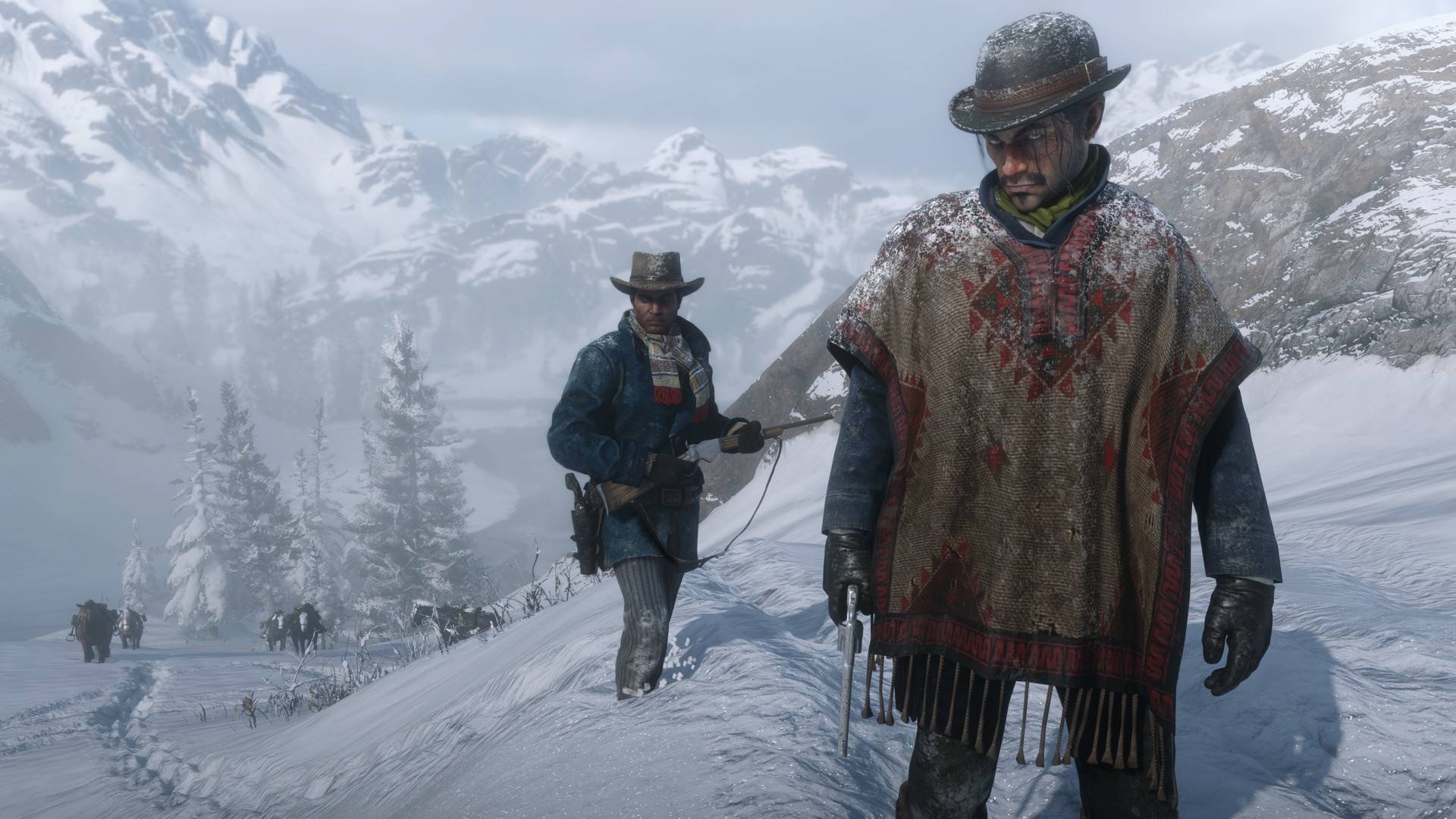
Rockstar apparently wanted to make sure that every player understood: snow is cold, horses are slow and Dutch likes to talk.
The prologue of Red Dead Redemption 2 is atmospherically strong, but in terms of gameplay it is a real test of patience. You trudge, ride, listen and wait for this huge open world to finally be more than just a white landscape and heavy boots.
In the second run, Colter is finally the moment in which you are already sitting in the saloon in Valentine’s Day.
The Witcher (2007)
Kaer Morhen is a legendary place. In the first The Witcher, it’s also a pretty effective filter for impatient players.
Before Geralt really goes on a monster hunt, the game puts combat, alchemy, dialogue systems and witcher lore in your hands all at once. This feels less like an adventure and more like an instruction manual with a sword.
Only later do you realize why this awkward introduction was able to create one of the most important role-playing game series of all.
The Elder Scrolls V: Skyrim
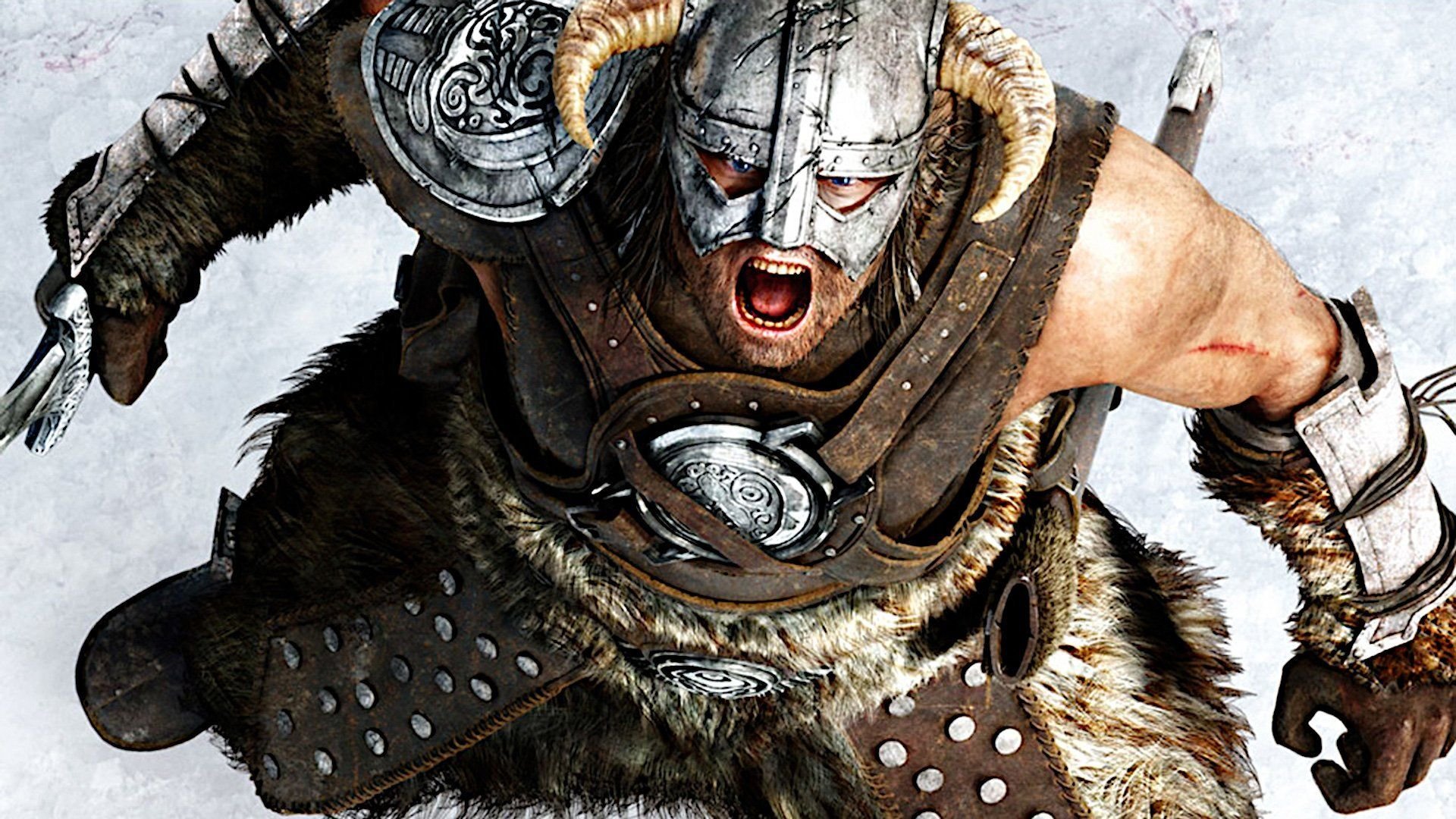
“Hey, you. You’re finally awake.”
A strong sentence. The first time. With the fifth new character, he sounds more like a threat.
Skyrim stands for freedom, chaos and spontaneous adventures. Of all things, the beginning is a completely timed carriage ride towards the tutorial. Only when Helgen is behind you does the real Skyrim miracle happen: you just want to go to Whiterun and wake up 30 hours later as an archmage, werewolf and kleptomaniac with a cheese problem.
Metal Gear Solid V: The Phantom Pain
Metal Gear Solid V begins a bit like someone giving you a remote control, only to immediately take it away again.
First Snake lies motionless in the hospital bed, then he crawls through the halls with the speed of a run-over caterpillar while all hell breaks loose around him. Kojima directs this brilliantly, but you still need patience.
The contrast is all the greater when you are suddenly able to solve each mission in your own unique way. Sniper, sleeping gas, boxes or collect half the outpost using a Fulton balloon. There is no sign of this freedom at the beginning.
Assassin’s Creed 2
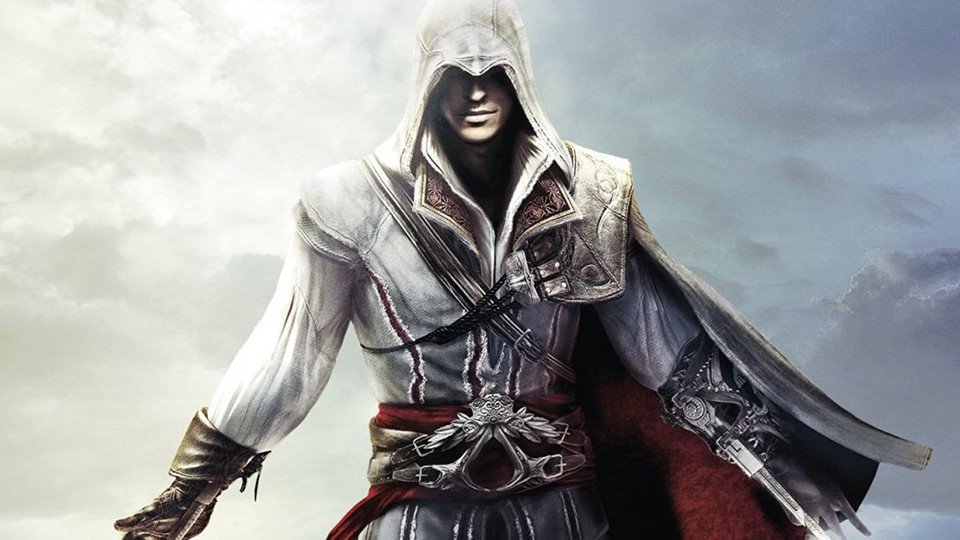
Anyone who bought Assassin’s Creed 2 back then wanted one thing above all: to climb over the roofs of Italy with a hidden blade.
However, Ubisoft had other plans. First you get to know Ezio’s family, help friends, fight your way through the streets of Florence and spend a surprising amount of time not being an assassin at all.
Looking back, that was one of the best decisions of the game. As soon as Ezio’s fate changes, his revenge doesn’t feel like that of any video game hero, but like your own.
Star Wars Jedi Knight: Jedi Academy
A new Star Wars game. A lightsaber on the packaging. What could possibly go wrong?
Well… first of all, you get surprisingly little of what makes Jedi Academy enjoy cult status to this day. Instead of distributing Force lightning or throwing enemies around, you leisurely work your way to the Jedi Academy and complete another tutorial.
However, once Luke lets you off the leash, it becomes one of the best power plays Star Wars has ever produced. Hardly any game to date gives you so much freedom in using your power.
Undertale
The first few minutes of Undertale seem almost suspiciously harmless. A few puzzles. A strange flower monster. A mother goat who wants to explain everything to you. If you don’t know what’s coming later, you might consider the game to be a likeable but pretty unspectacular indie RPG at this point.
And that’s exactly what makes Undertale so clever. The game takes its time to build up your expectations before intentionally overturning them. The less you know beforehand, the better this trick works.
Driver
There are people who have played through Driver. And then there are people who never got out of that damn parking garage.
Burnout. Slalom. Donut. Park backwards. All within a time limit, which when I was a kid seemed about as fair as a Dark Souls boss. Anyone who finally passed this test was rewarded with an open city that was sensational at the time. Those who failed probably thought for years that Driver consisted entirely of an underground parking garage.
Okami
Okami has a knack for constantly taking you out of the flow of the game.
You’re just starting to lose yourself in the beautiful world when another text box or cutscene pops up in between. Another conversation. Another explanation. Another little stop.
Underneath this somewhat sedate surface lies one of the most creative action adventures ever. As soon as the game finally lets you do it, it becomes clear why fans are still hoping for a worthy successor to this day. However, getting started requires significantly more patience than the actual adventure deserves.
Kingdom Come: Deliverance
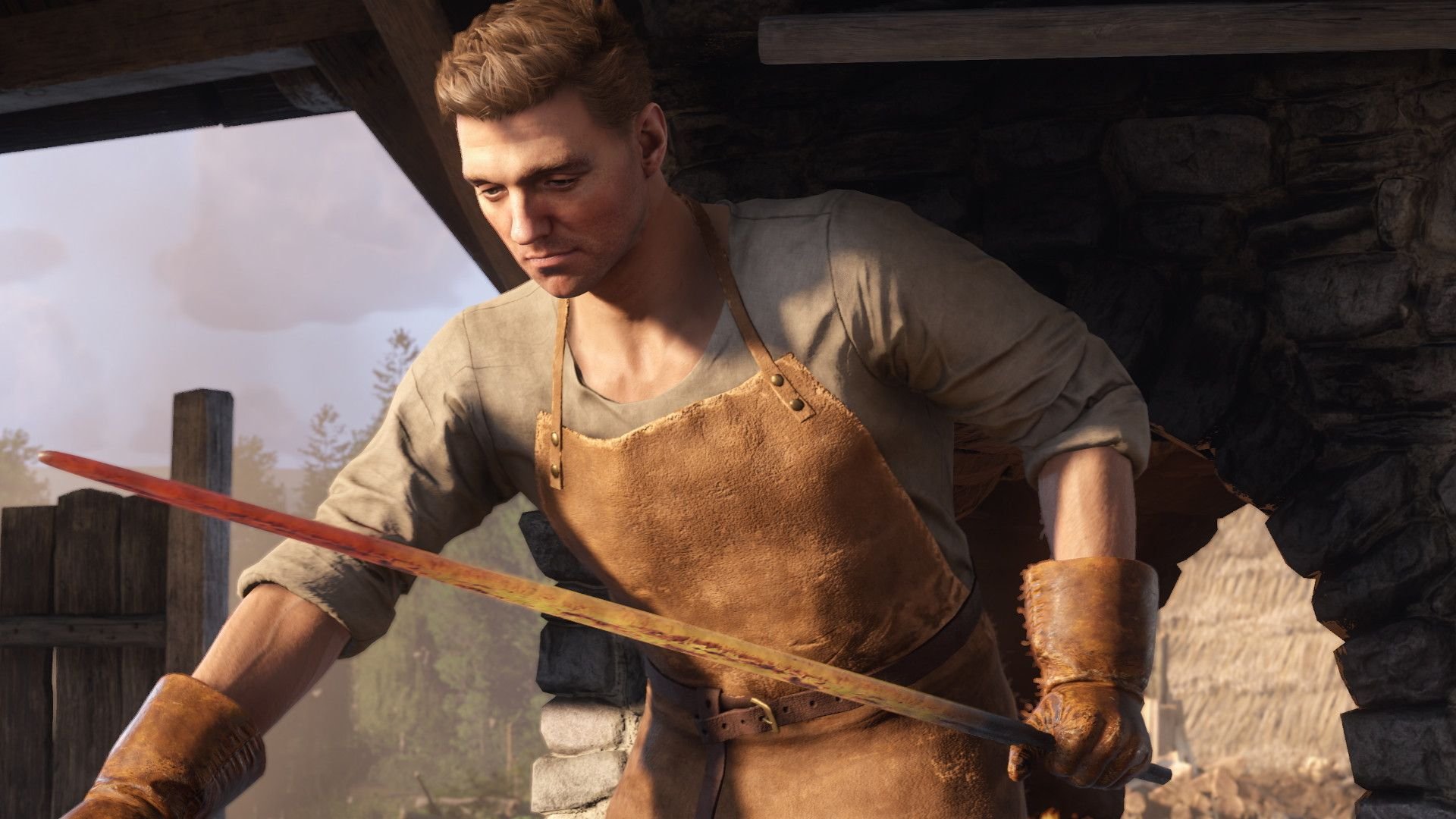
Kingdom Come makes it clear from the first moment that you are not the chosen one. You’re just Henry. And Henry can do surprisingly little at the beginning. Battle? Rather not. Picking locks? Forget it. Even a few bandits can really spoil your mood.
This is exactly what put many players off at first. But if you get involved in the slow build-up, you will experience one of the most believable role-playing games in recent years. Rarely does every new sword fight learned or every argument won feel so earned.
Death Stranding
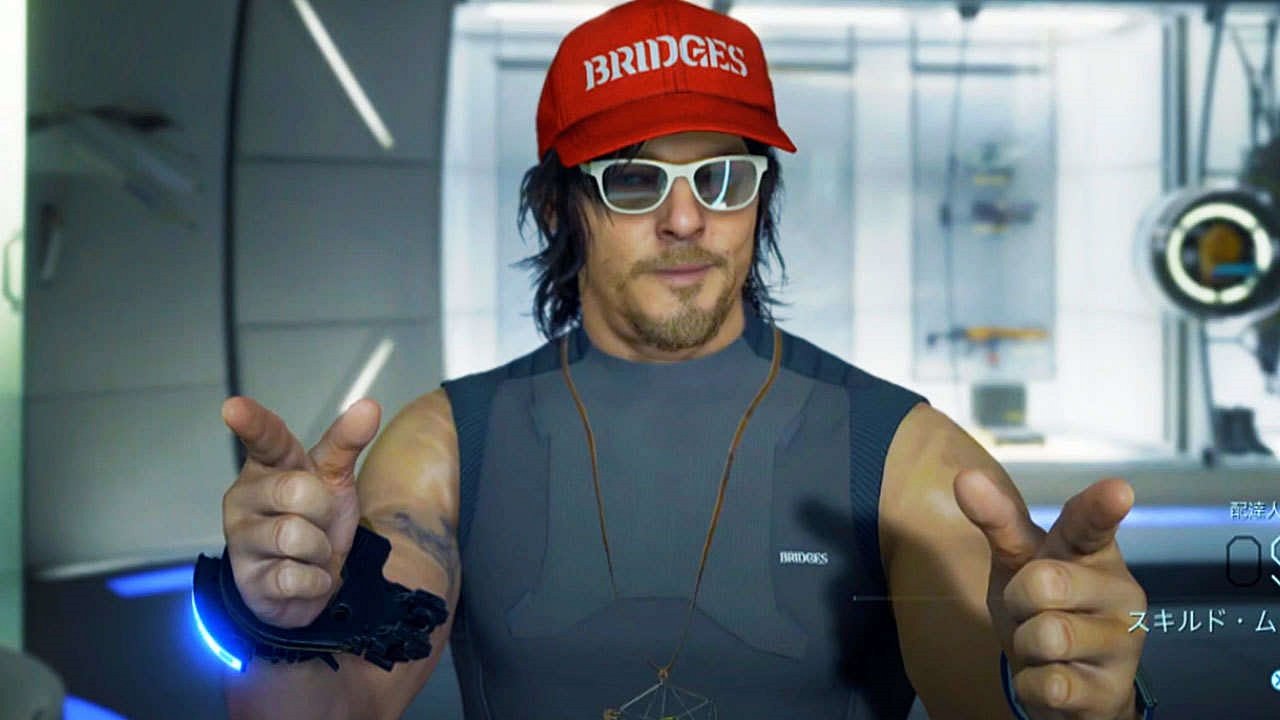
There is probably no other game where the phrase “It gets better later” has been heard so often.
The first few hours consist of long cutscenes, even longer explanations and deliveries, which initially seem hardly more exciting than a walk with a heavy backpack.
And then something strange happens. At some point you will find yourself building bridges for other players, planning your route down to the smallest detail and being seriously happy about a perfectly placed rope. Death Stranding doesn’t sneak into your head. It’s slowly building up there. If you get out before then, you’ll miss the exact moment when Kojima’s unusual idea suddenly makes sense.