In EA FC 27, the career mode continues to be one of the most popular game modes for many players. We’ll show you what innovations and changes EA has in store for this year and what you can look forward to in career mode.
Revised transfer market, negotiations and contracts
Transfers take place in FC 27 is more realistic and is divided into several phases. Instead of completing all negotiations in a single appointment, you start with an official request. After the reply from the releasing club, the actual discussions begin, which are held simultaneously with the club, the player and his agent.
This creates significantly more dynamism in the transfer market. While ongoing negotiations, other clubs can intervene, Make your own offers or convince players with better contract offers to change at the last moment. If you don’t want to take care of every detail yourself, you can leave the entire negotiation to your sports director.
There are also significantly more options when it comes to contracts than before. Transfer amounts no longer have to be paid in full immediately. Instead, transfer fees can be spread over several seasons. Performance-related bonus payments can also be agreed, for example for goals, assists or titles won. This makes it clear agree on more flexible payment models.
They are also new additional contractual clauses. In addition to buyback options, participation in future resales can now also be part of a contract.
Player changes can be scheduled for the next transfer window or even for the following season. Direct loans back to the previous club are also possible. This means you have significantly more Freedom in choosing the transfer time.
Contracts may contain clauses through which the salary automatically increases, for example, after promotion or qualification for a European competition. Automatic salary reductions are also possible in the event of, for example, relegation.
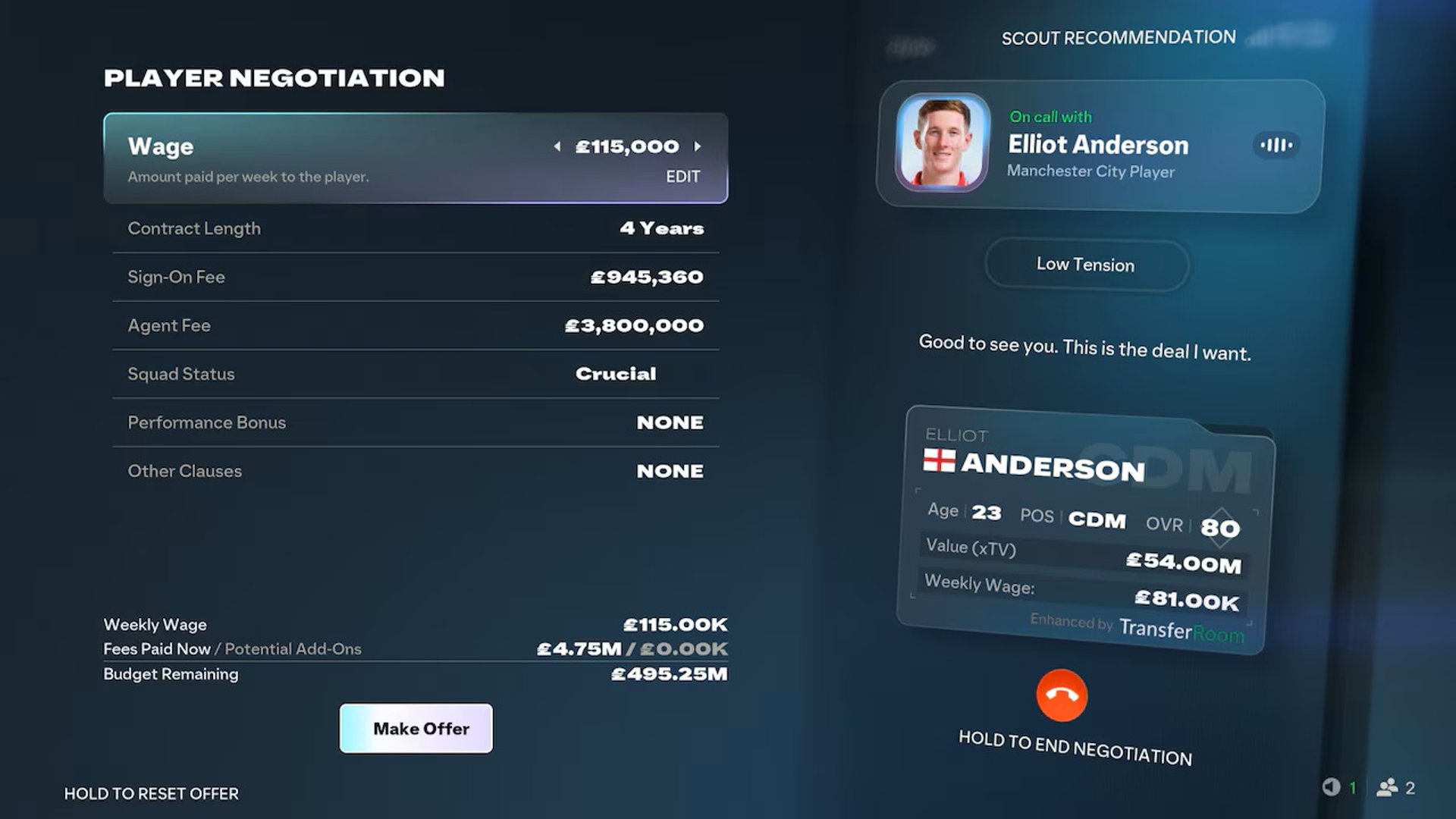
For the first time, EA is working with the analysis platform TransferRoom. The integrated xTV system (Expected Transfer Value) ensures that Market values develop dynamically over several seasons. Among other things, the actual market situation, the strength of the respective league and the current form of a player are taken into account.
The previous 3D negotiation scenes are omitted and replaced by a compact 2D interface replaced. There, a tension display informs you at any time how close both sides are to an agreement or a possible break-off in negotiations.
The completion of a transfer has also been revised. Instead of the previous school grade evaluation, you can expect a new presentation with reactions from fans on social media as well as a stadium presentation for particularly important new signings.
Smarter AI in the transfer market
The CPU clubs will pursue a long-term transfer strategy in the future. Training clubs invest their budget specifically in young talent, while top clubs prefer to sign top performers who are ready for immediate action. In addition, computer-controlled clubs work with shortlists. If a transfer fails, they immediately fall back on alternative desired players.
The relationship between clubs will also play an important role in the future. Club relationships have a significantly greater influence on transfers. Historical, regional and local rivalries make direct transfers much more difficult. This makes switching between arch-rivals much more difficult.
Things look different within a multi-club network. Clubs that belong to the Red Bull or City Group, for example, benefit from much more straightforward transfer options between each other.
It’s not just clubs that are making more realistic decisions. Also In the future, players will weigh up various factors against each other. In addition to the salary, the reputation of the league, the prestige of the club and the chances of international competition also factor into their decision. A high-class player does not automatically move just because of a better salary.
Dynamic Ratings
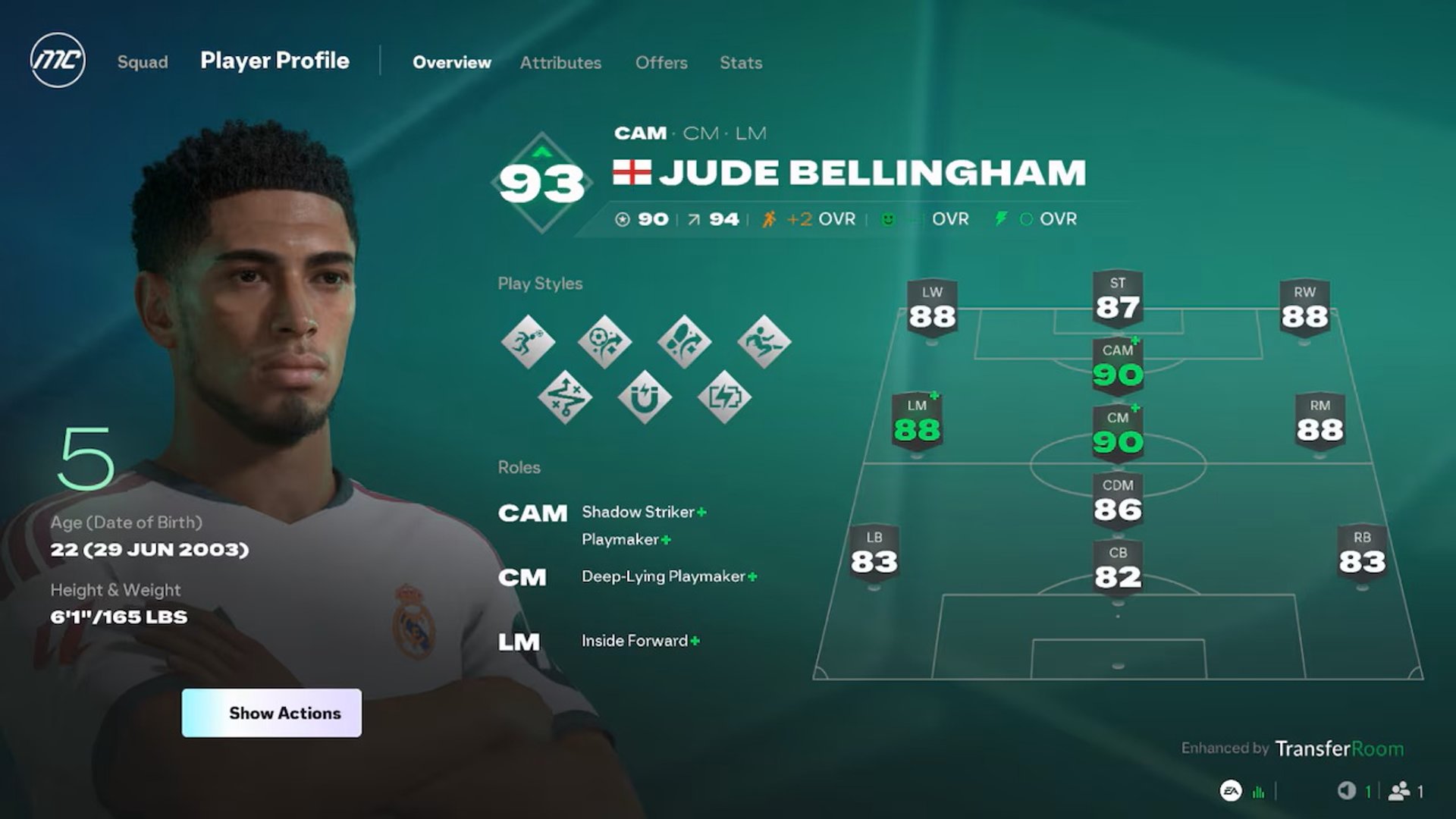
The career system has also been expanded outside of the transfer market. With the new one Dynamic OVR system A player’s overall strength is no longer permanently fixed, but changes based on three key factors.
- Form: Young talents in particular develop significantly faster when they perform well.
- Moral: The mood within the team, sufficient playing time and the role in the team have a direct impact on performance.
- Match Fitness: The previous training plans are completely eliminated. Only energy recovery remains. Instead, match fitness determines how ready a player is immediately before kick-off. If the necessary fitness is lacking, his attributes deteriorate noticeably.