The 1990s were a time of rapid technical developments. Many devices that were considered modern or even revolutionary back then have long since been replaced by smartphones and other all-rounders.
Video games for home and on the go in revolutionary quality! Music in a compact format to take with you! That was revolutionary around 30 years ago.
Nevertheless, numerous gadgets from the 90s have cult status today. Whether Walkman, Tamagotchi or Game Boy – they represent a time when technology was often simpler, but no less fascinating. We present 23 legendary gadgets that shaped an entire generation and still evoke nostalgic memories for many to this day.
Walkman
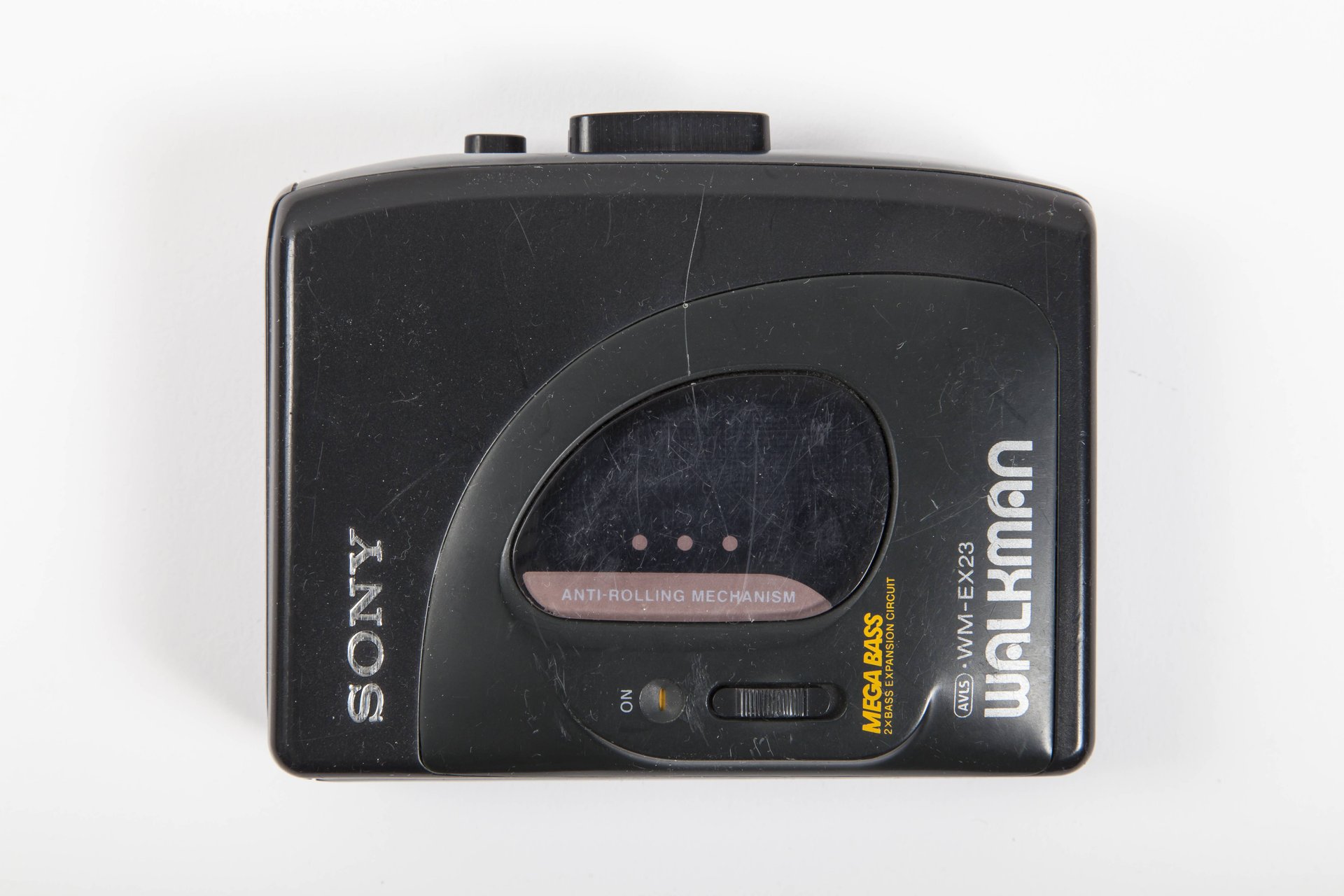
The Walkman made music truly mobile for the first time. With cassettes in my pocket and headphones on my ears, every bus ride became a personal soundtrack – even if there was the occasional tape mess.
Cassette recorder
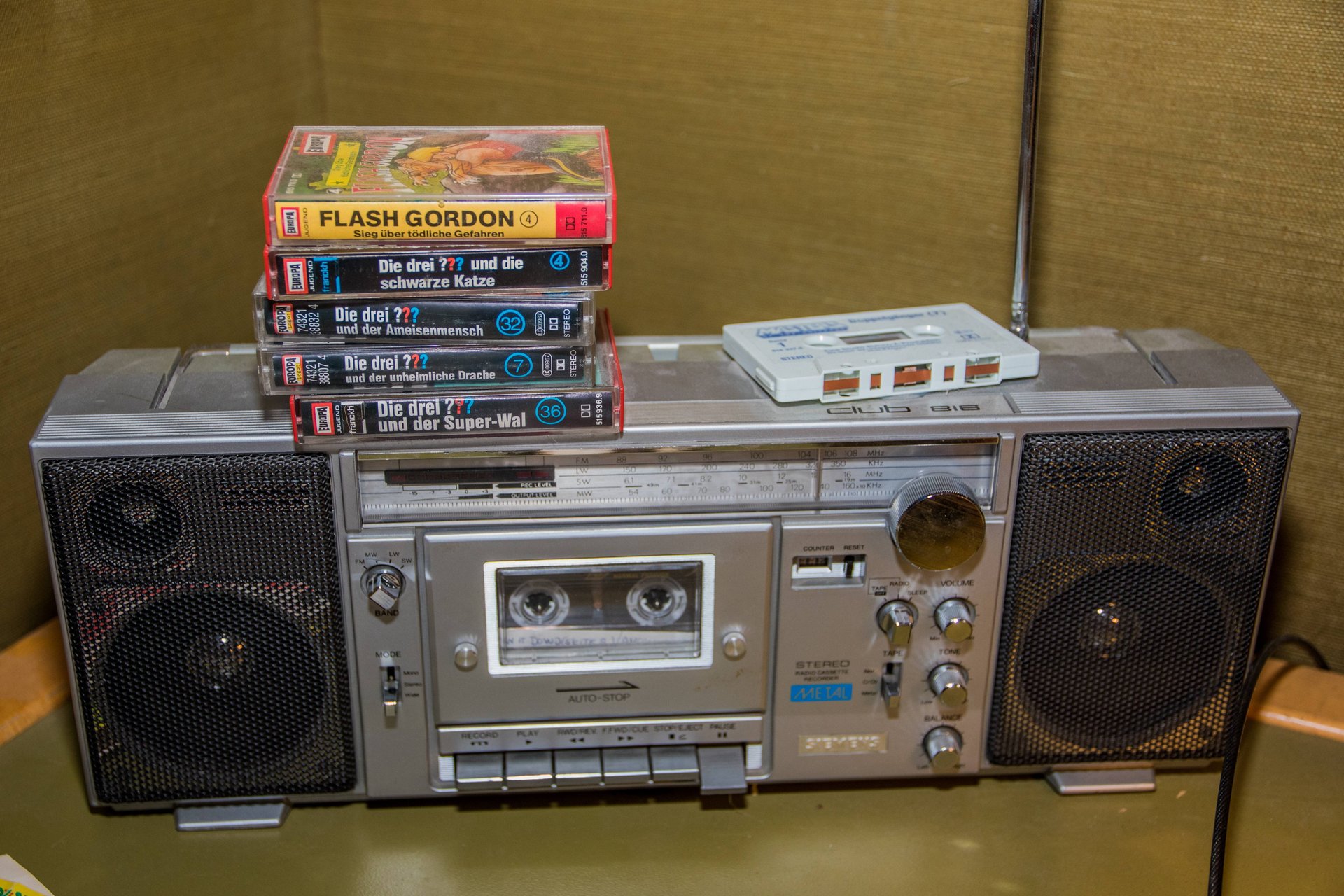
The cassette recorder was used to record favorite songs from the radio and create mixtapes. The timing of pressing the record button was crucial.
Discman – Too big for your pocket but still a hit
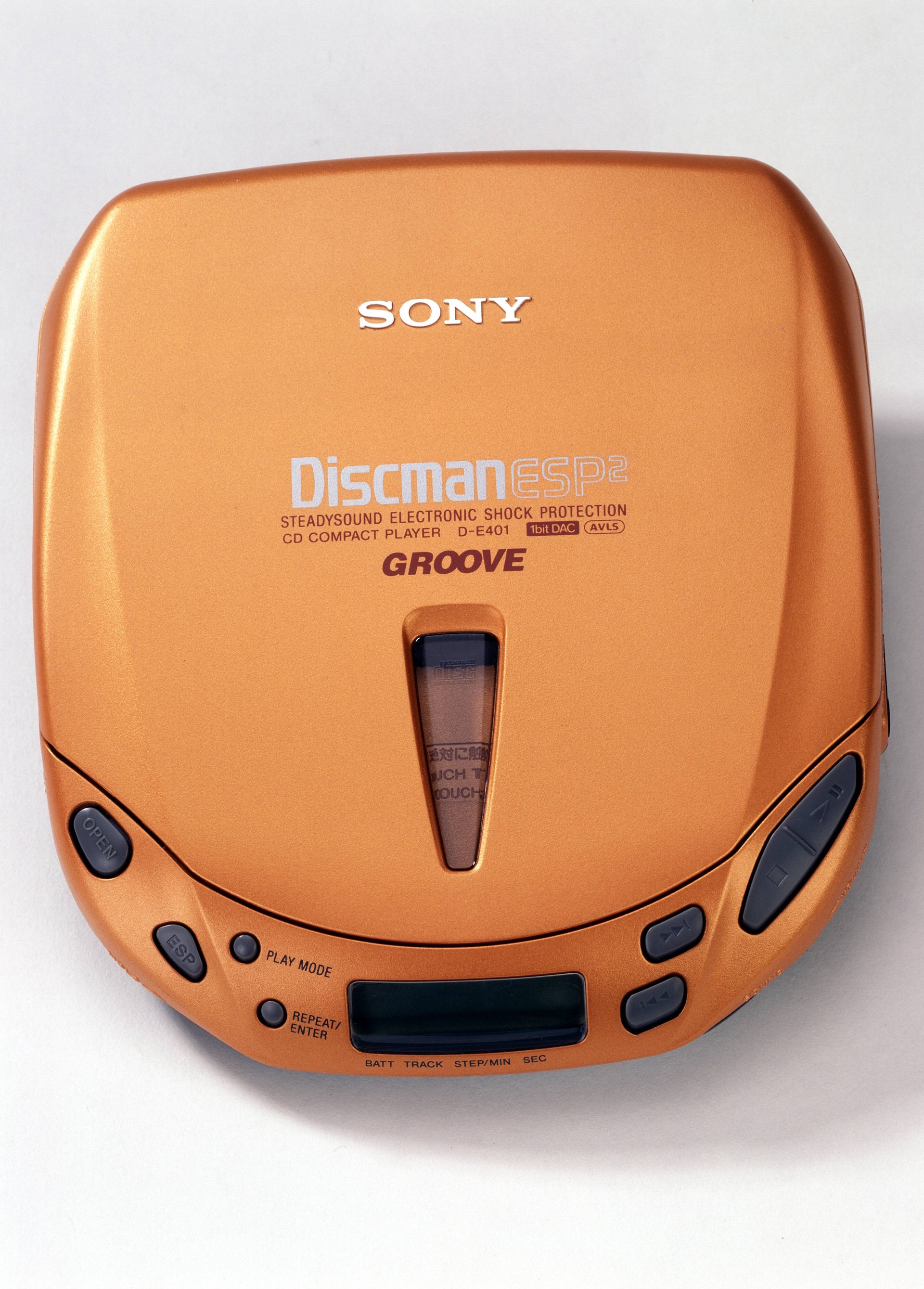
Listen to a CD on the go? This was a brilliant innovation in the 90s. Although such players have been sold since 1984, they only reached their peak a little later. Nowadays, “thanks” to Spotify and Co., many younger people no longer know what to do with a CD. However, the Discman was a practical special feature, as CDs already existed in all households and no new data storage media had to be purchased.
Game Boy – Tetris, Mario and Street Fighter on the go
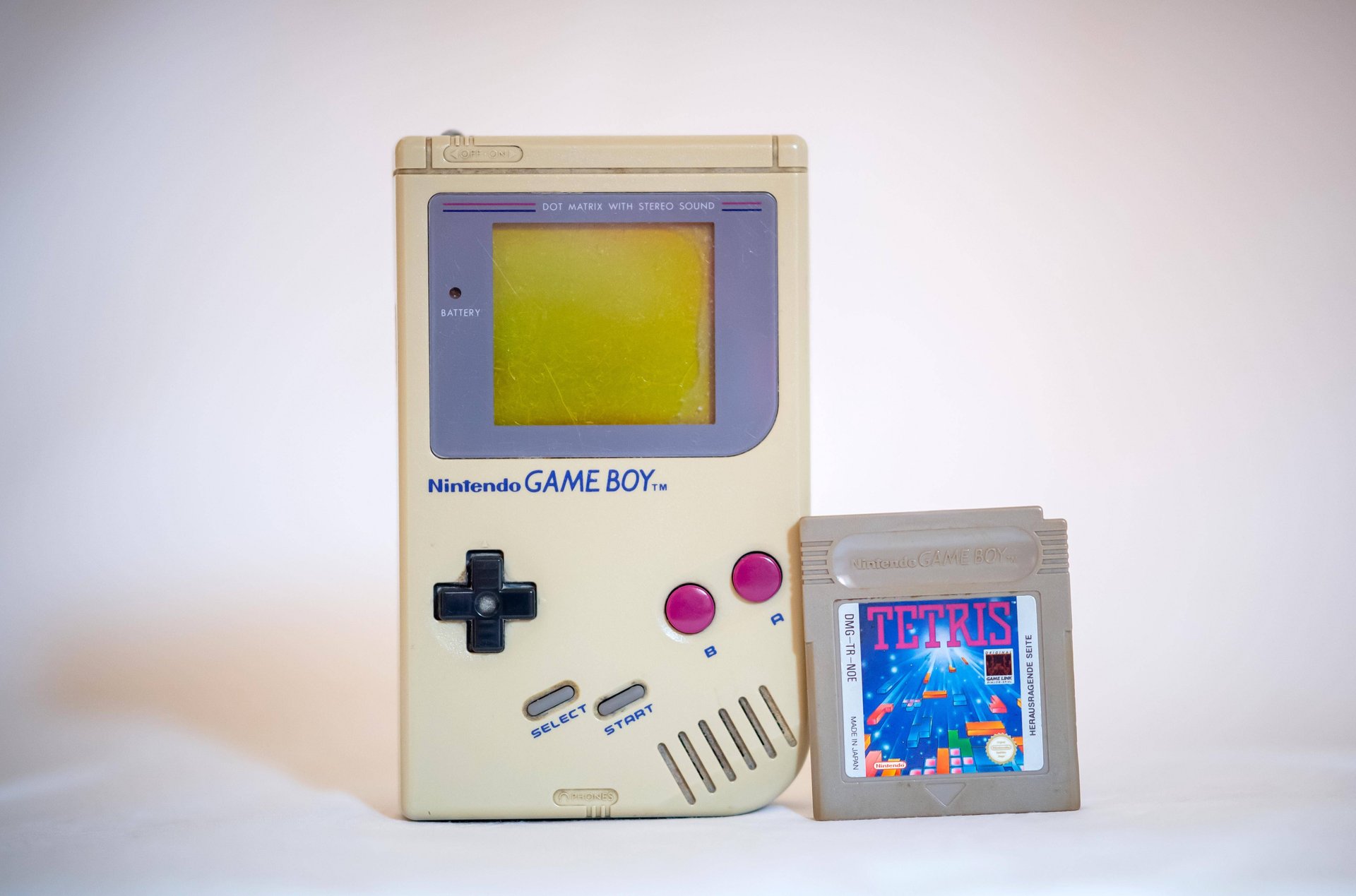
The Game Boy was launched in Japan in 1989. In Europe, however, players had to wait until 1990. With this legendary handheld console, countless games could be played on the go – start and pause at any time. As long as the batteries were charged, the Game Boy connected players with interesting worlds or tricky puzzles. Tetris is still considered one of the best-selling games of all time.
diskette
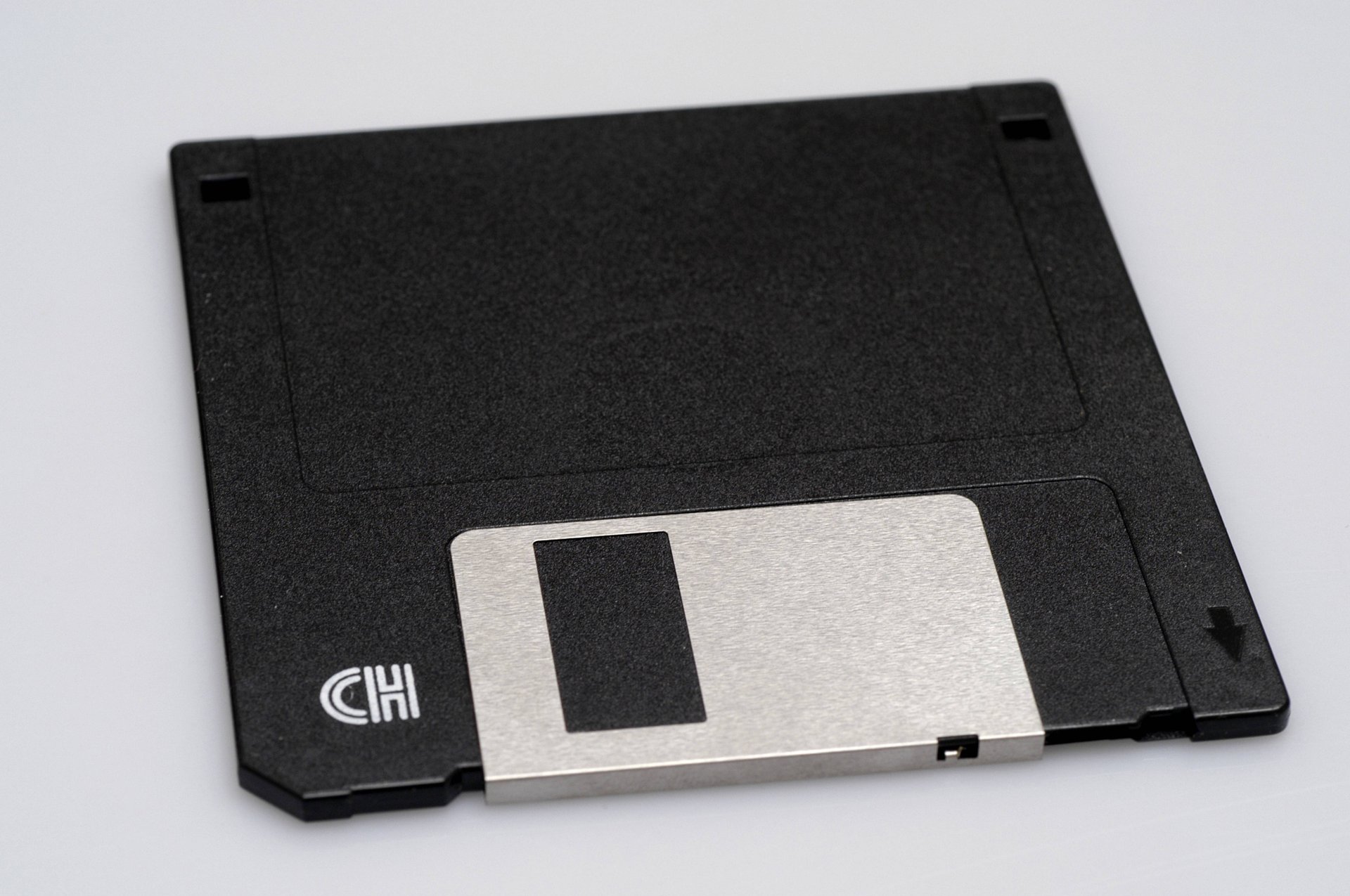
Whether homework or games – data was transported on the diskette. The 3.5-inch floppy disk in particular became a symbol of the early computer era and lives on today as a saving symbol in programs such as Word. If you want to back up the data on a normal smartphone with 128 GB capacity today, you would need around 90,000 of these floppy disks.
Lava lamp
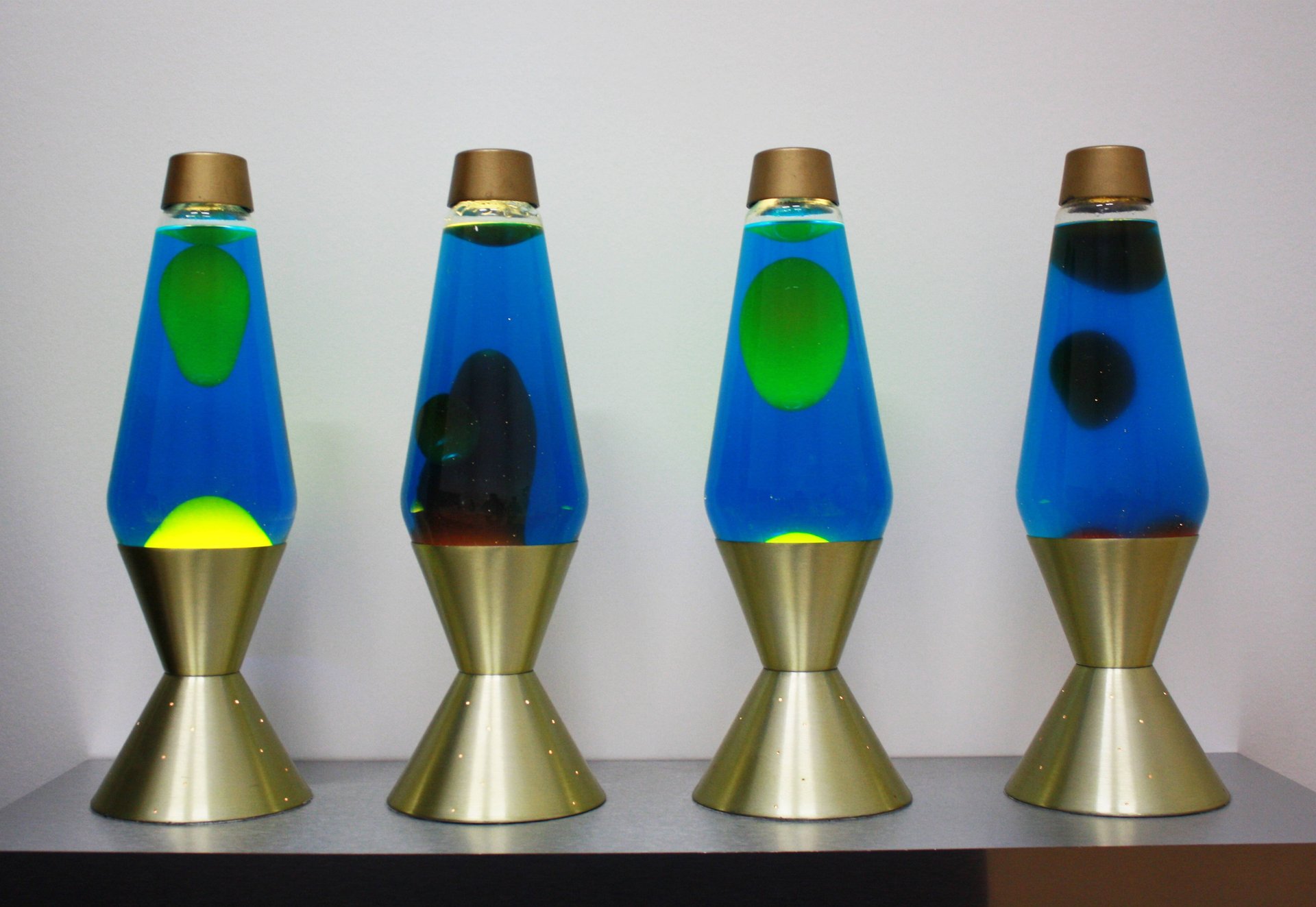
The slowly rising and falling wax balls created a relaxed atmosphere in the children’s or teenager’s room and were a typical decorative element of the 90s.
Tamagotchi – The pet replacement
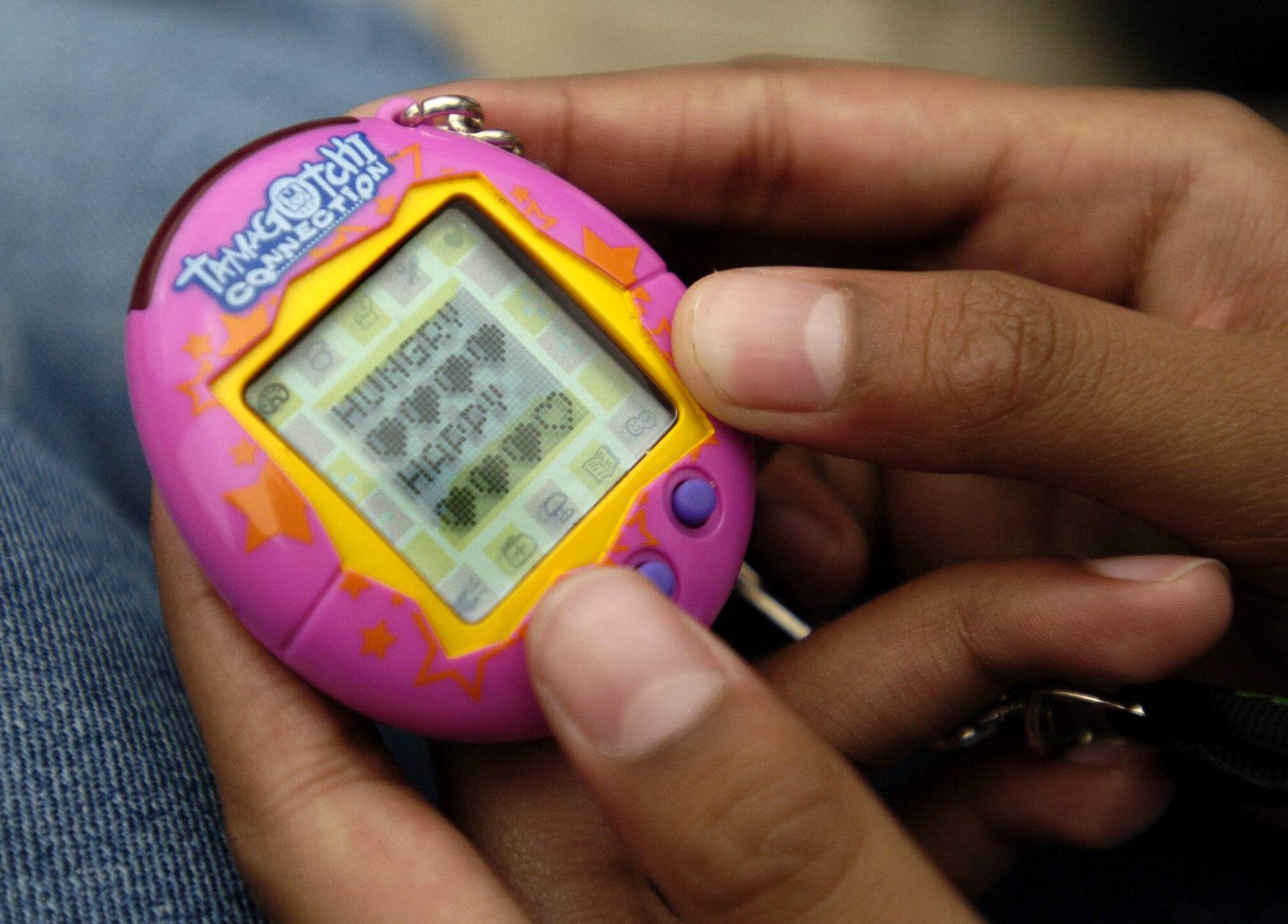
A small pet to take home came onto the scene in 1996. Tamagotchi conquered the schoolyards of the world from Japan. It was important to take care of small animals so that they would not die of hunger or excessive excrement. Discussions arose between parents and children about this toy, as some saw it as a threat and others as an alternative to real pets.
Super Soaker – homemade water fight
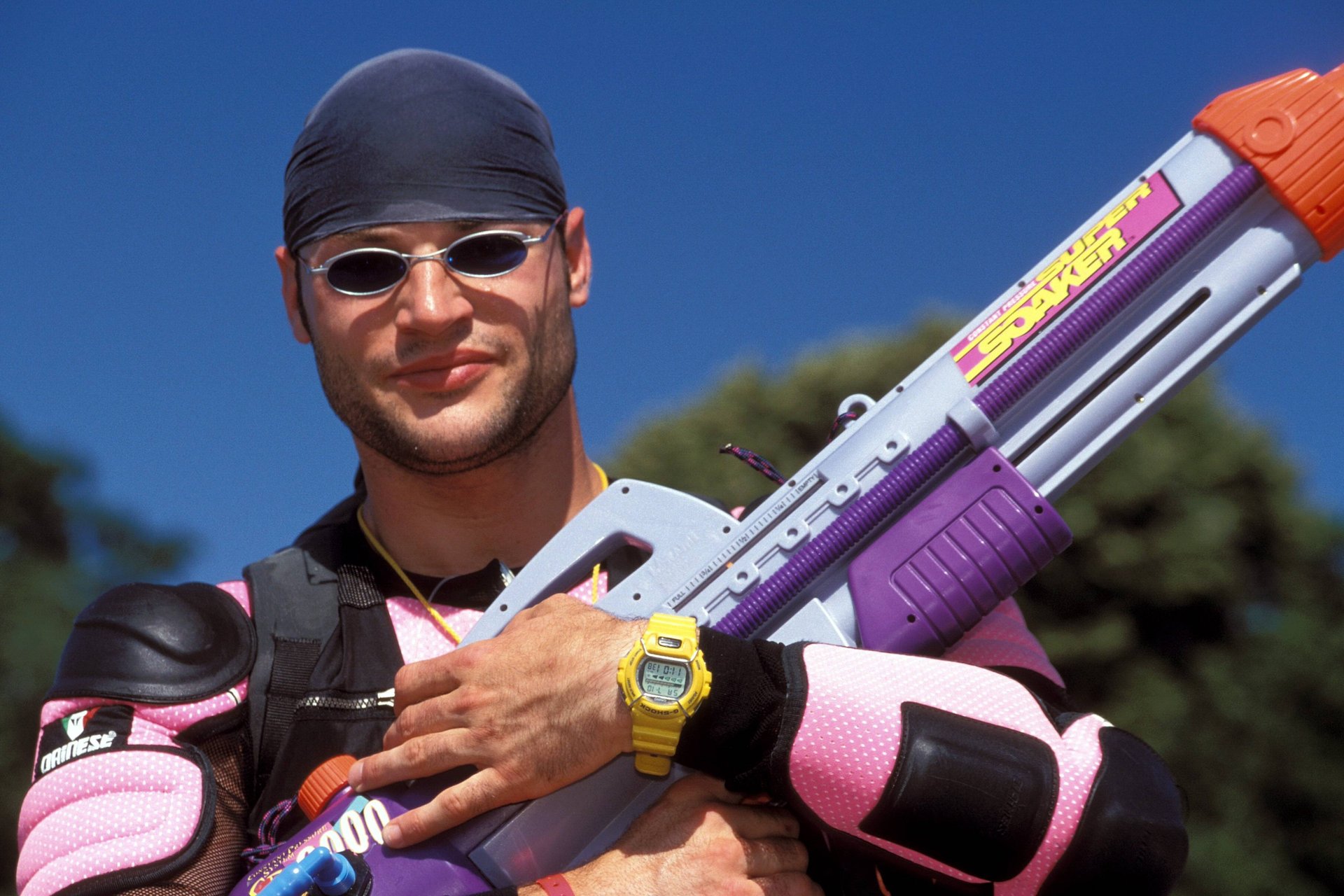
The Super Soakers from the USA caused epic water fights in gardens and on streets. Who wanted to use a water squirt gun when you could use a gun that allowed you to increase its range by pumping it.
MiniDisc – agents trust them
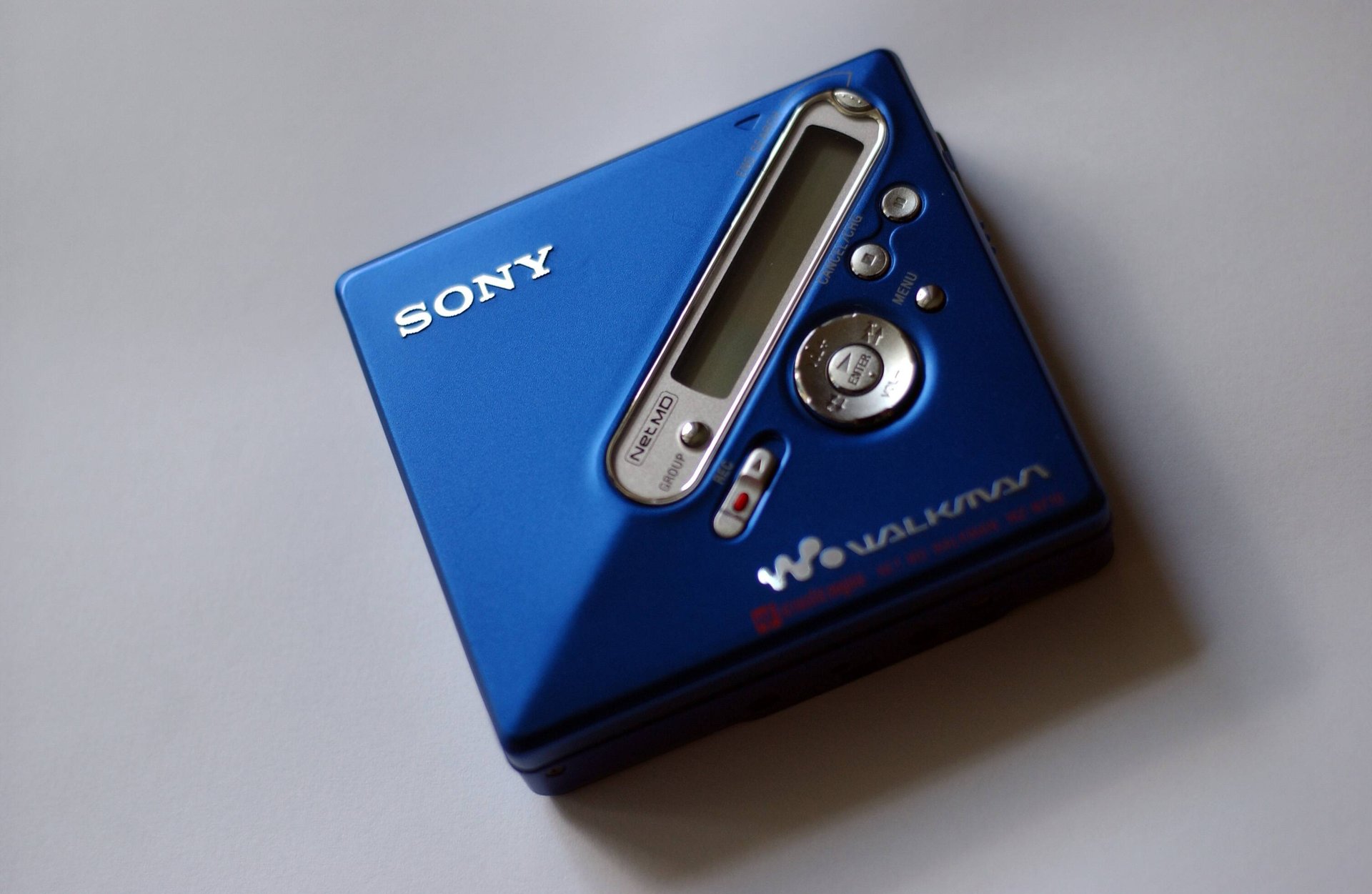
In 1991, the MiniDisc was introduced, a new storage medium that became very popular both in spy films and in everyday life. The MiniDisc combined digital sound quality with rewritable data carriers. Music fans in particular appreciated the compact discs and the ability to put together their own playlists.
Pager
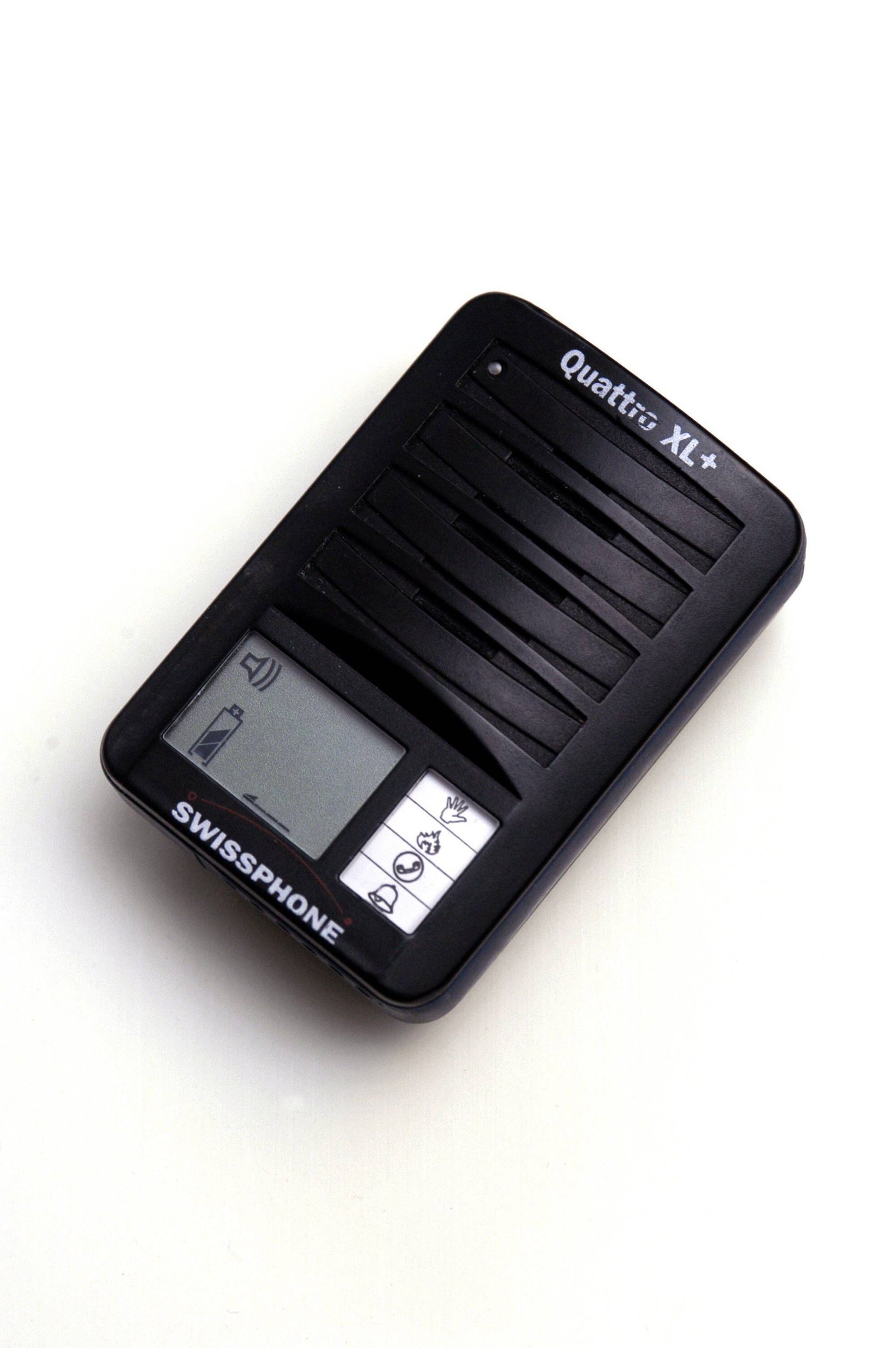
Before cell phones became ubiquitous, pagers used a beep to notify people of incoming messages or callback requests. They were particularly widespread in everyday professional life, but in the private sector they were mainly only available to the cool rich kids.
Although the pager was developed in the 1950s, it only had a big boom in Germany in the 90s. With this “radio message receiver” you could transmit short messages and thus communicate quickly and easily.
CRT monitor
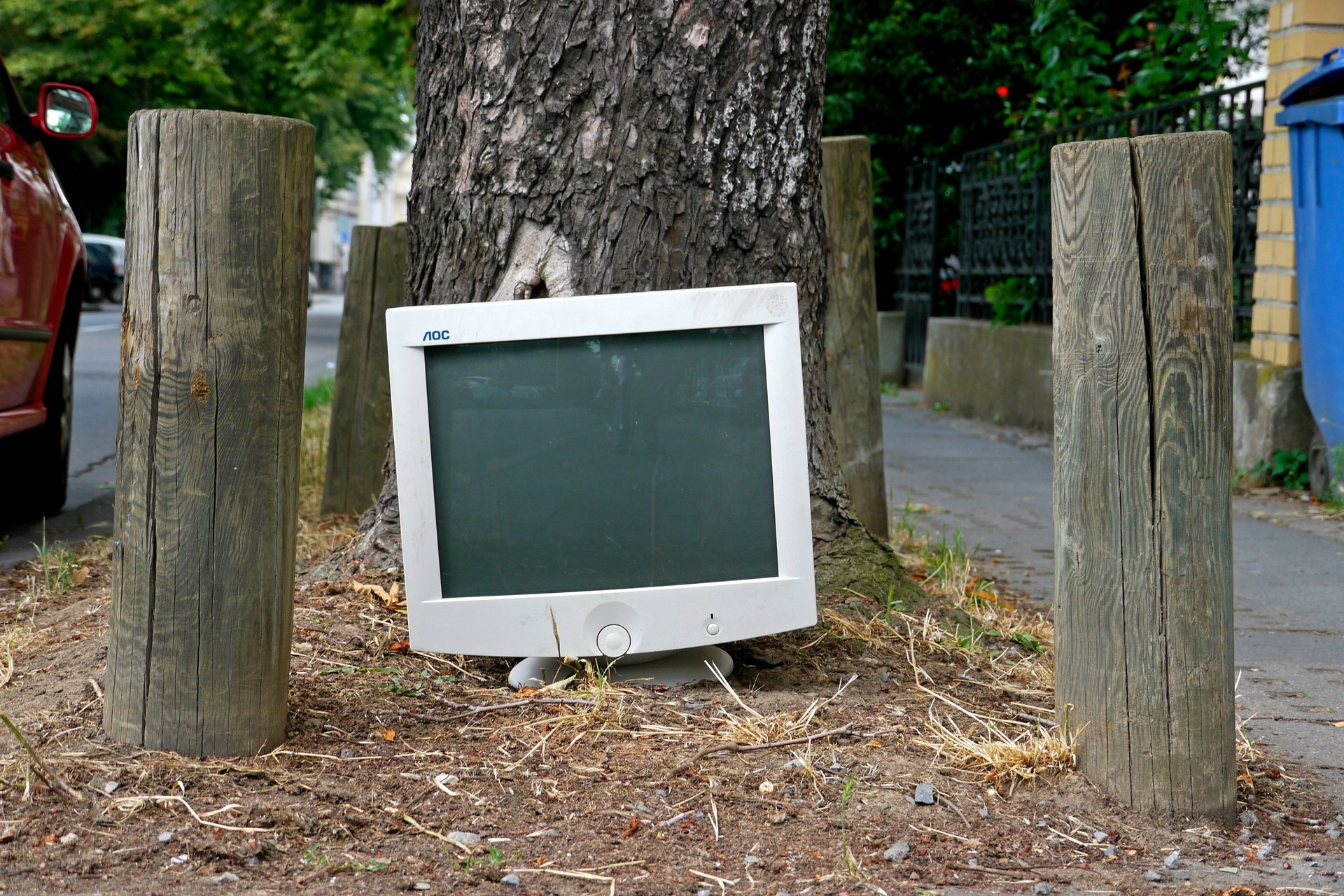
Bulky, heavy and flickering – but standard at the time. CRT monitors shaped the first PC experiences, LAN parties and long gaming nights.
CRT TV
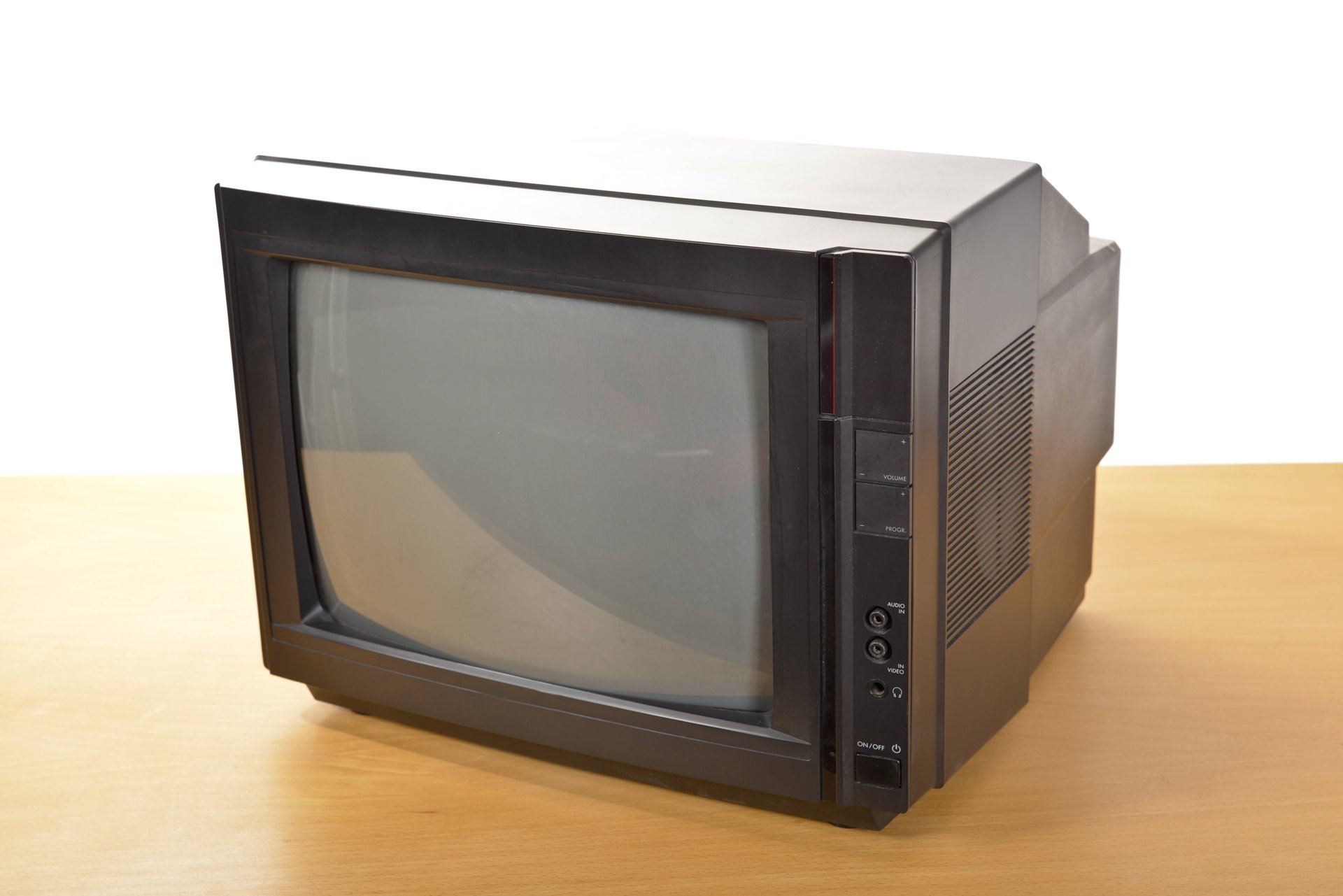
The counterpart in the living room was the tube television. Switching on with the characteristic cracking sound and the quiet hum are part of childhood for many people.
Furby – Lots of plush and little technology
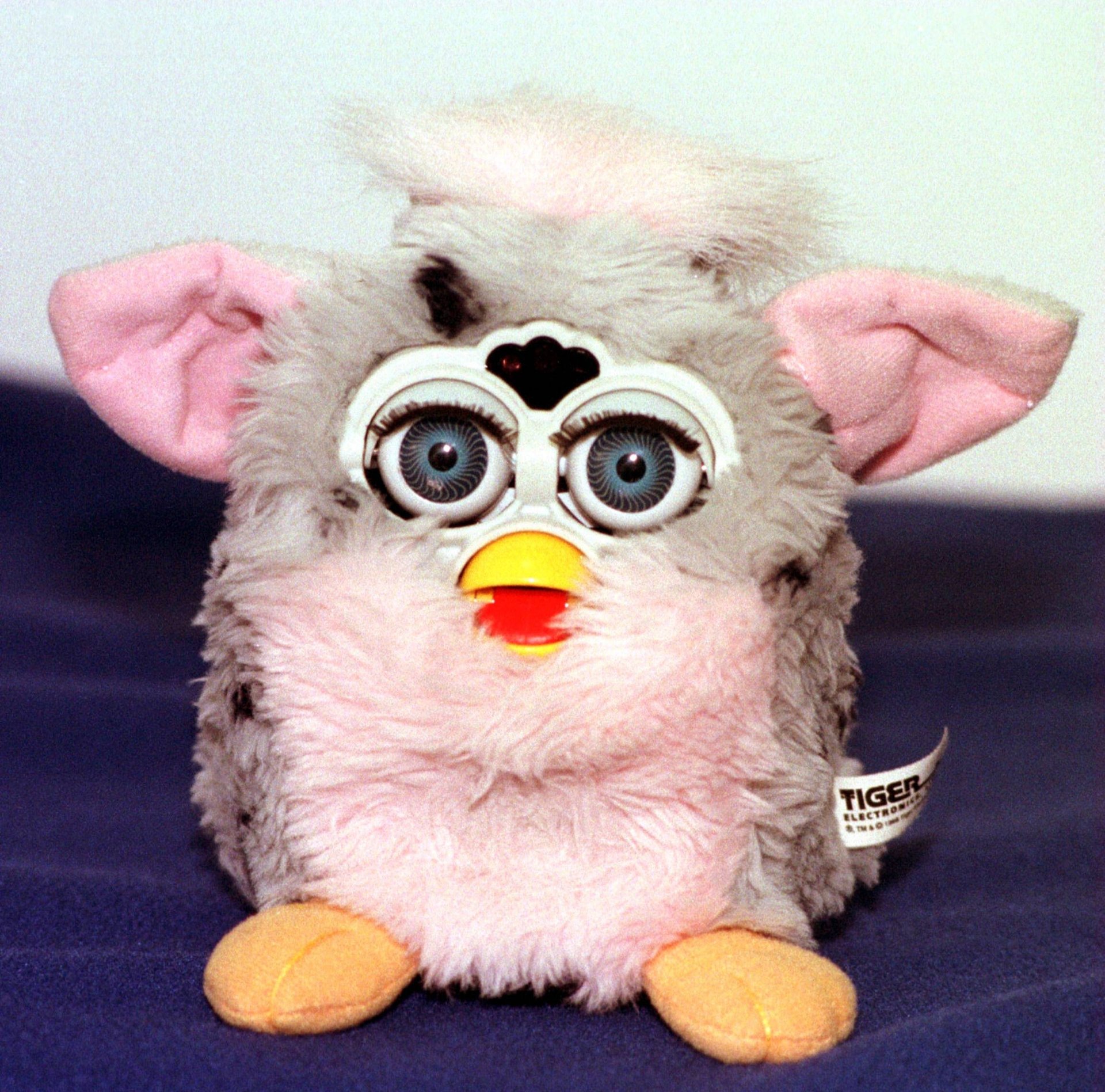
Furby was released in 1998 and the plush robot became a cult object. The not-so-cuddly cuddly toy had something lively about it because it was equipped with motion sensors on its stomach and back. There were also 200 words in Furbish’s own language and 800 words in the respective national language that Furby could learn.
VHS-C camcorder
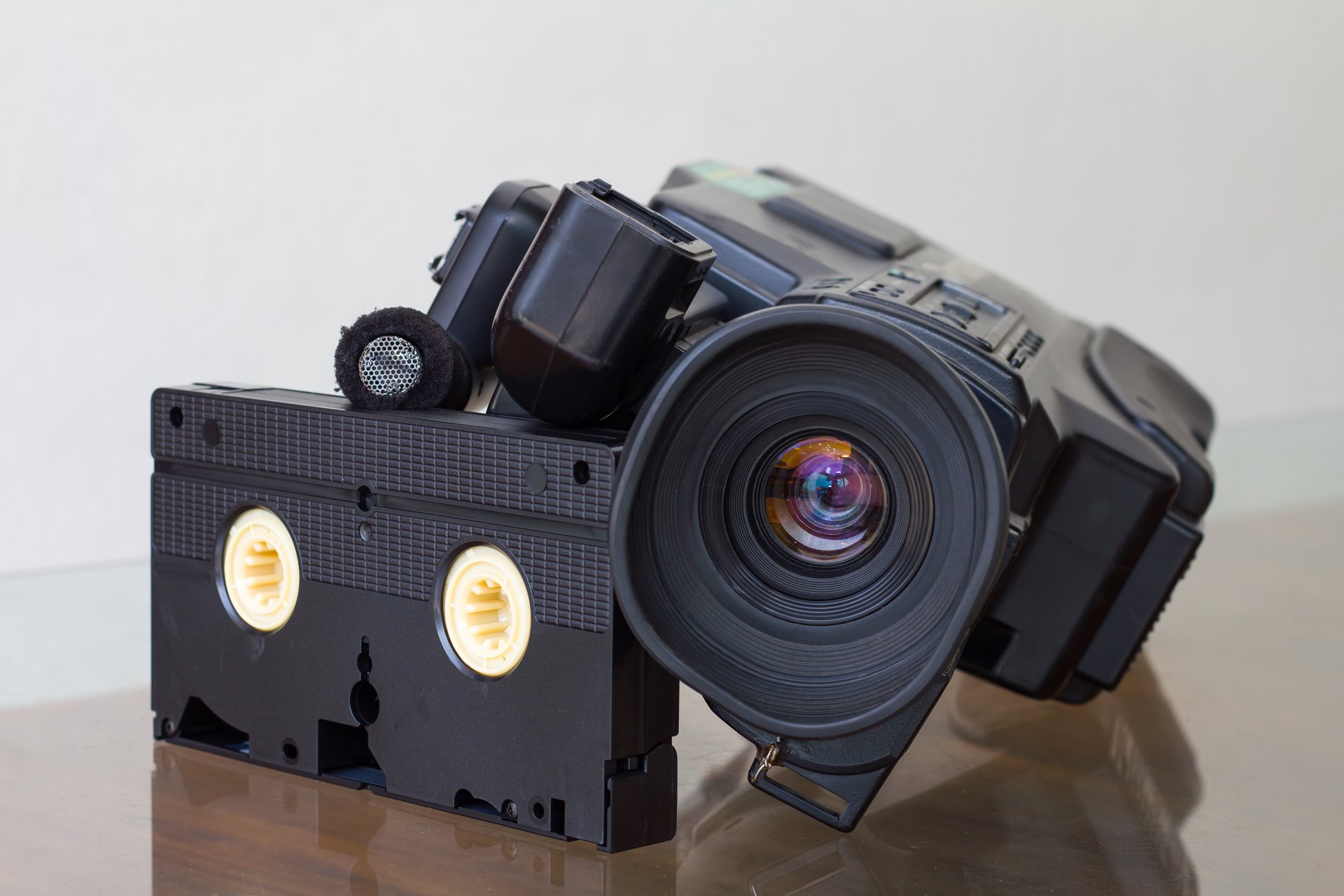
Family celebrations, vacations and birthdays were captured on VHS tapes. For many people, the buzzing noise when inserting the cassette is one of the typical memories of the 90s.
Polaroid camera
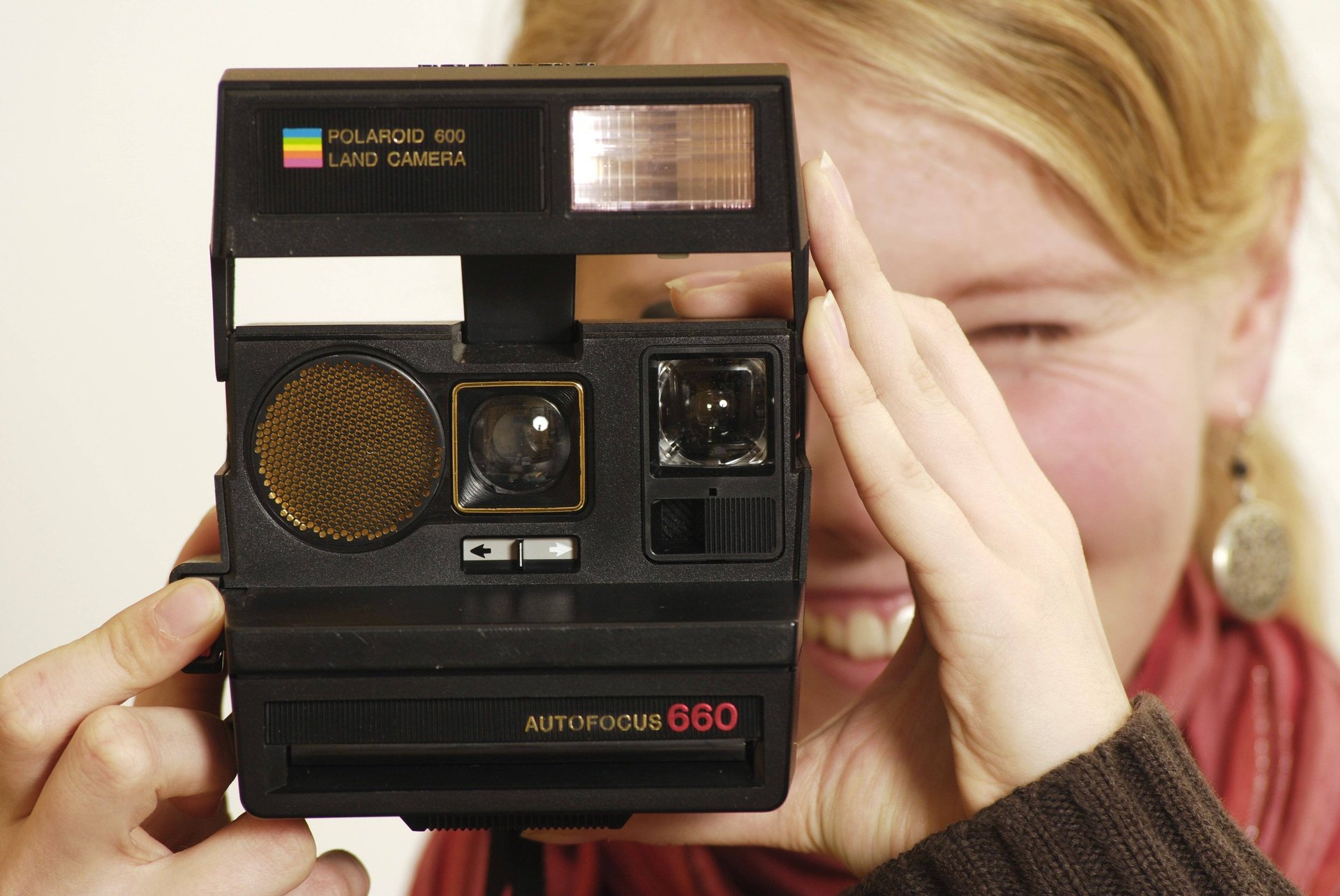
Taking a photo and holding the finished picture in your hands a few minutes later – that was the special appeal Polaroid cameras. They provided unforgettable moments at parties and on vacation.
Cell phone – The cell phone is conquering the market
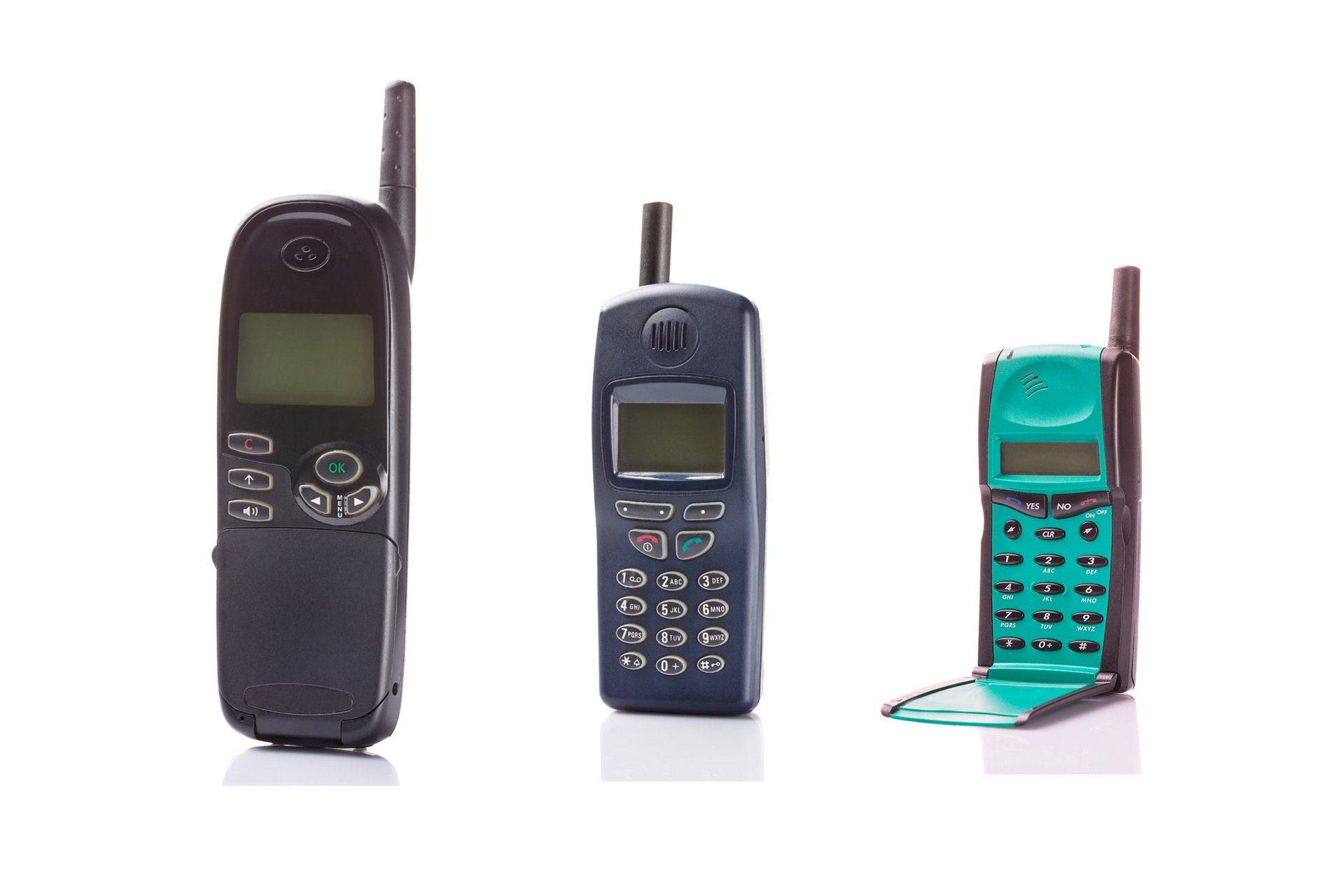
The major mobile phone networks began operating in Germany in 1992. As a result, more and more people bought cell phones and gave them the name “cell phone.” There was no appropriate English equivalent for this, but the term stuck. Of course, such phones are still used today, but since the invention of smartphones, classic cell phones have almost completely disappeared from the scene. Hardly anyone is interested in phones without touch displays, cameras or computing power that make PCs from the 90s look old. But it was even more modern…
PDA – The electrical assistant
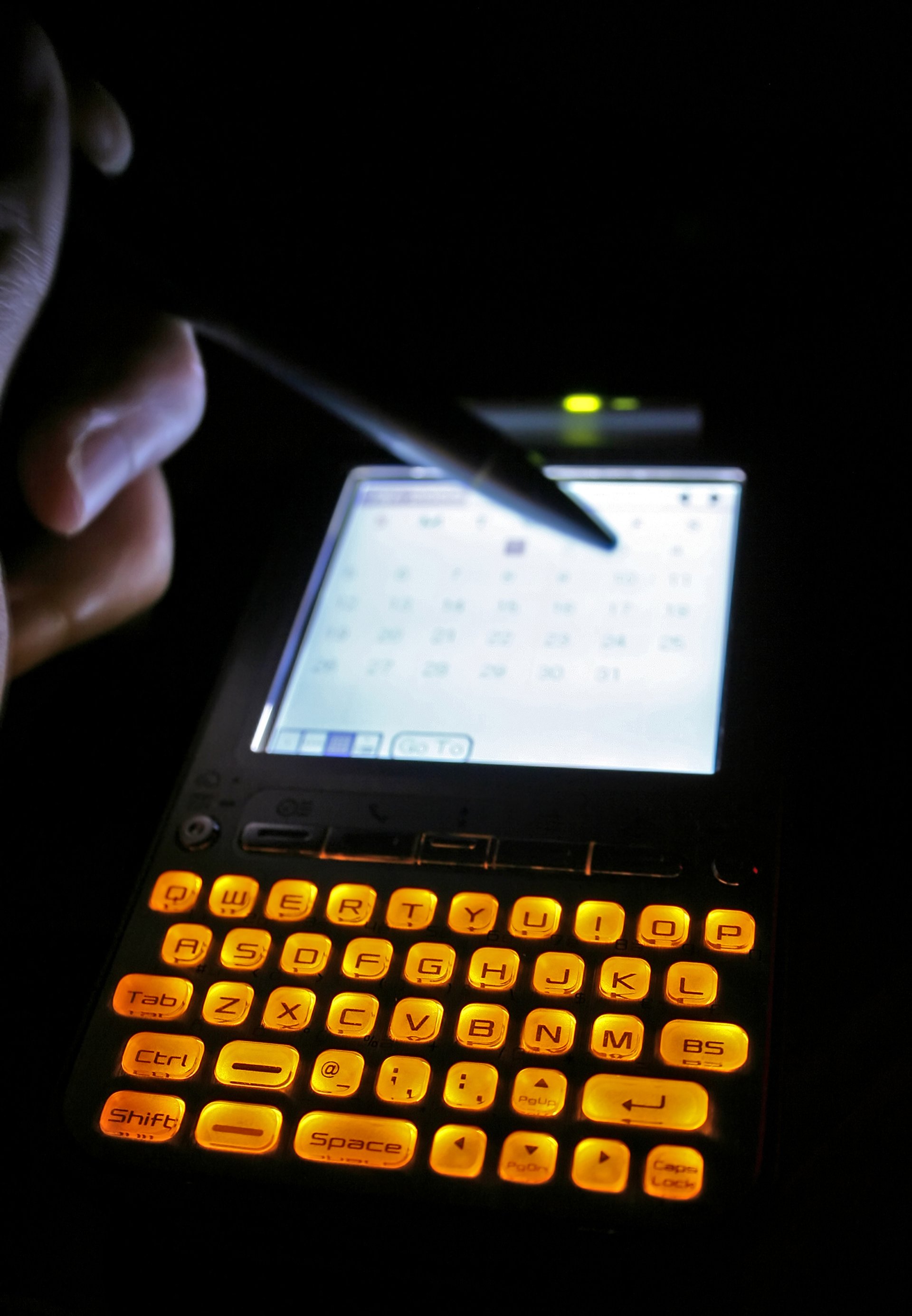
The forerunner of iPad and Co.: PDAs have been particularly popular in the business sector since 1992. Different companies launched their respective versions of personal data assistants. A large part of the functions could be used through an LC display. The advantage of the devices was that emails could be received and address books, calendars, plans and notes could be combined. Another innovation was that a PDA could be connected to the Internet via cable. Today you no longer see these everyday helpers; they have been replaced by smartphones. After work the fun began…
Nintendo 64 controllers
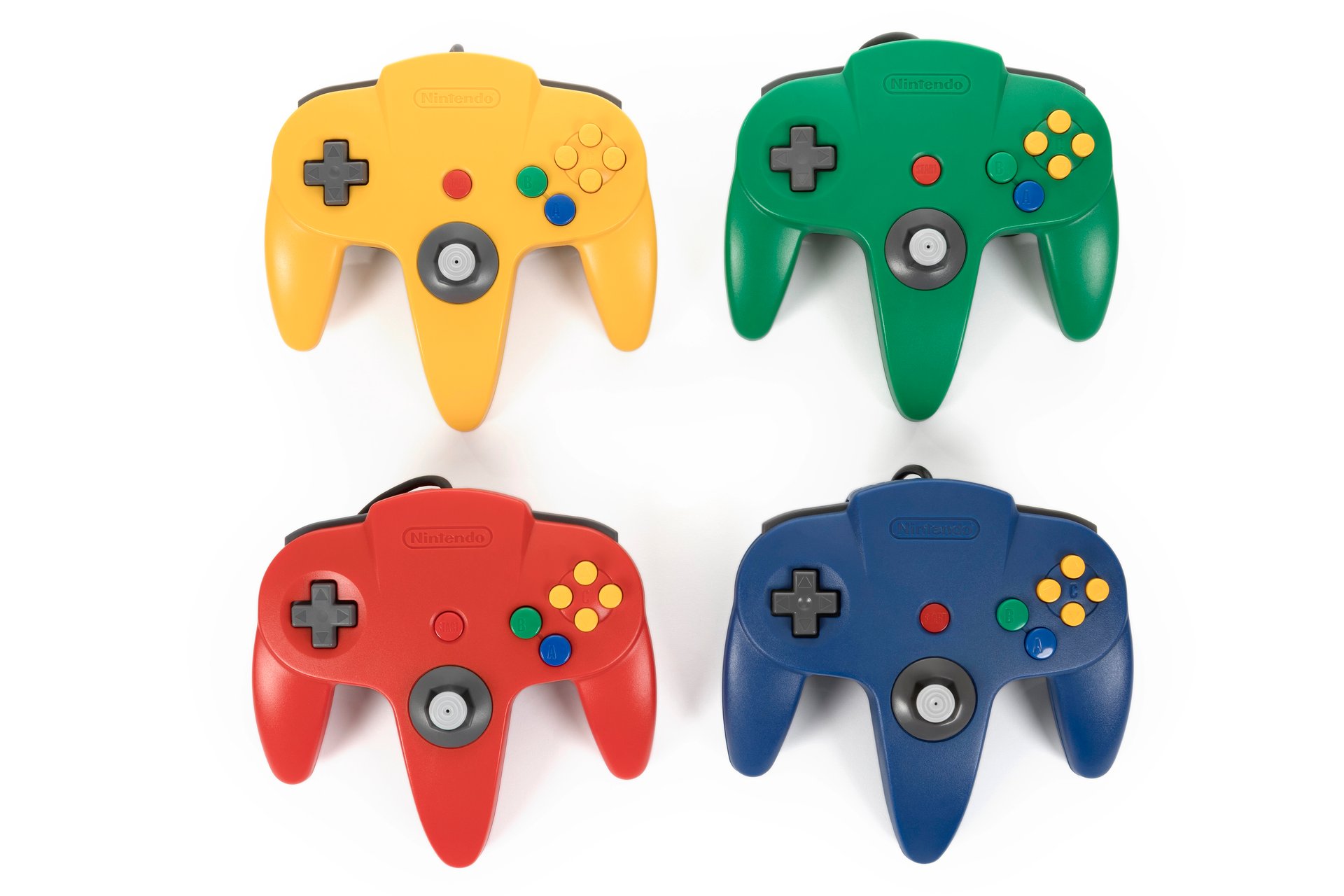
The unusually shaped controller with an analog stick was ahead of its time. Together with Mario Kart or GoldenEye, countless legendary multiplayer evenings were created.
PlayStation – The Birth of a Legend
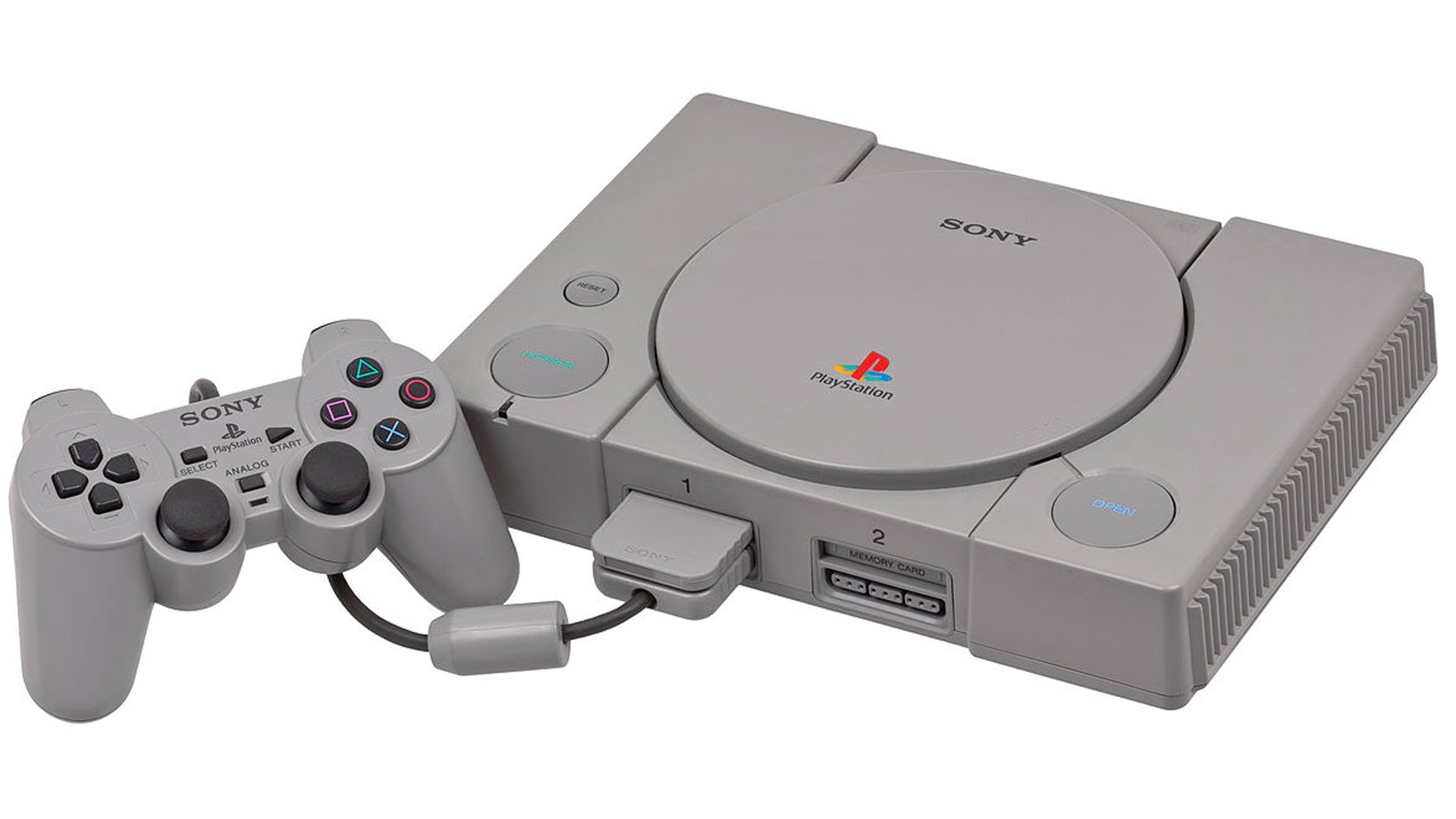
Admittedly, the PlayStation (PSX) is still used by gamers today, but the first generation consoles from 1994 do not represent any competition for current systems. This at least applies to the graphics, because some of the classics are still worth playing today.
Next we come to the granddaddy of smartphones…
BlackBerry – The ancestor of smartphones
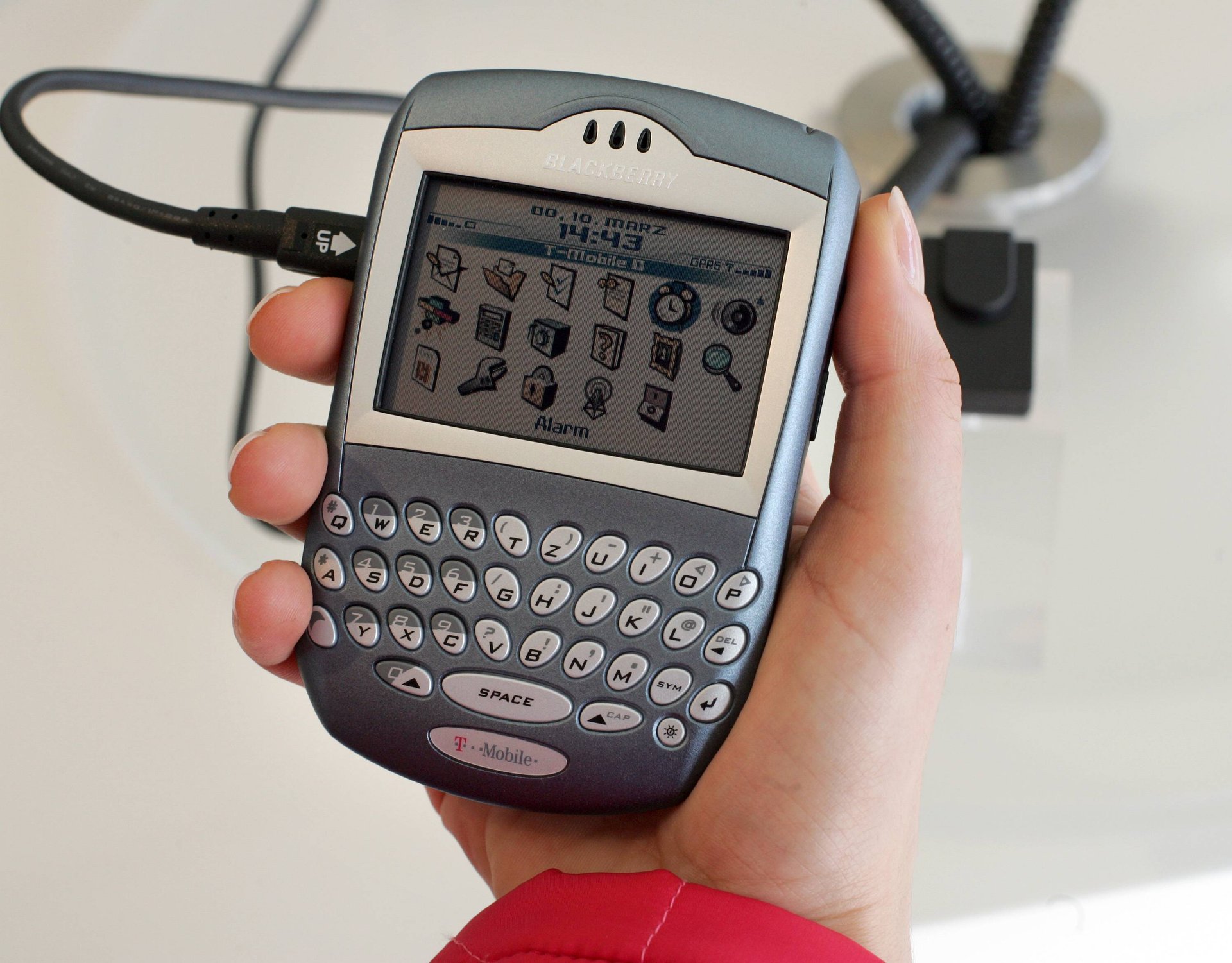
Shortly before the end of the 90s, the first BlackBerry appeared in 1999 and initiated a revolution in mobile telephony. For the first time it was possible to synchronize emails and other data via a mobile Internet connection. It is therefore considered one of the forefathers of smartphones, as many ideas and developments are based on the capabilities of the BlackBerry. The next invention was a little less complicated…
Sony Aibo – The digital pet
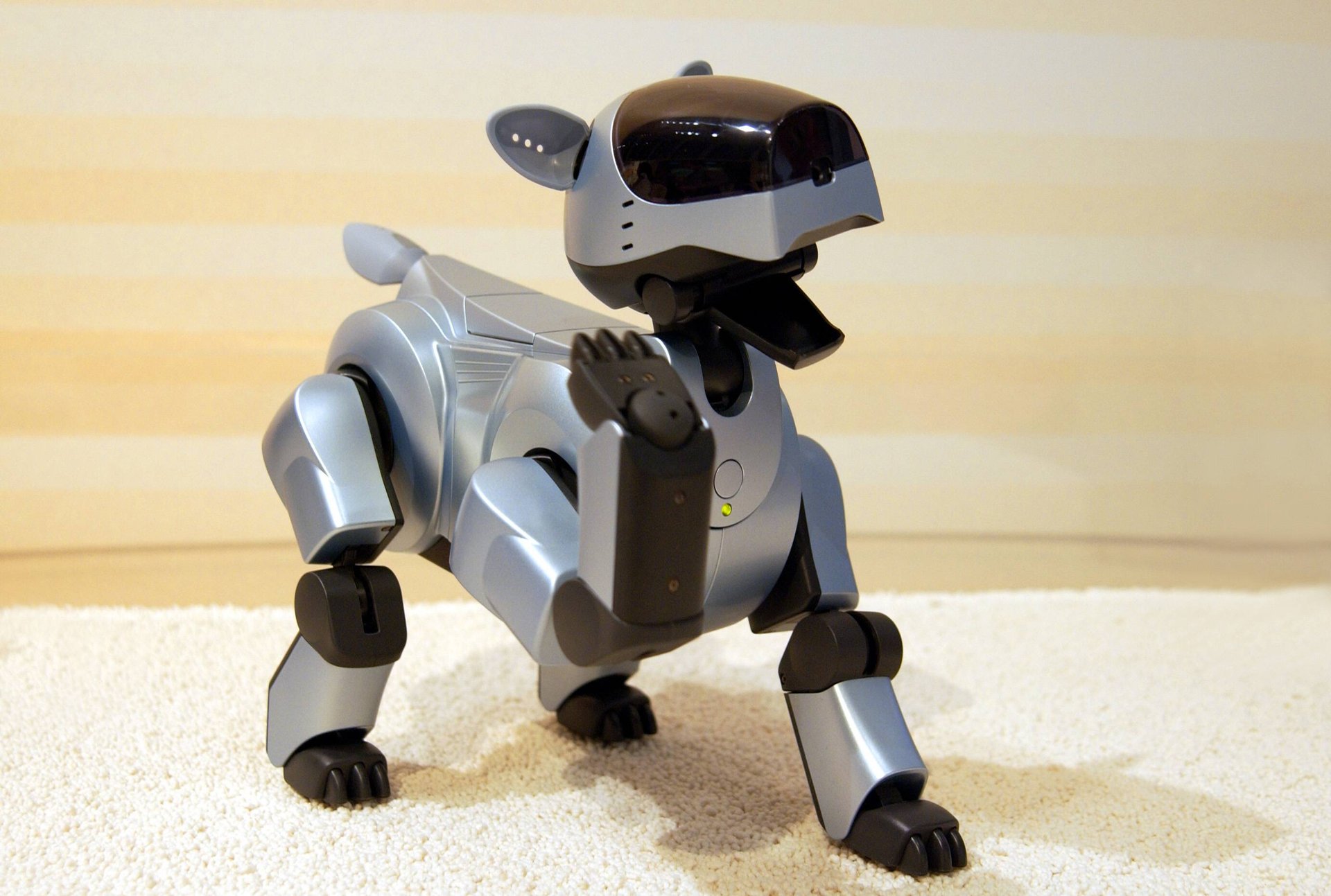
The first Aibo came onto the market in 1993 and despite very high prices, all copies were sold very quickly. This is a robot dog from Sony that was able to process information from its surroundings via camera and microphone. In addition, Aibo showed similar behavior to a dog and gave feedback through non-verbal communication. This dog could be considered the forefather of robots like Cozmo. Now let’s move on to another classic in gaming history…
Sega Dreamcast – A Home for Sonic
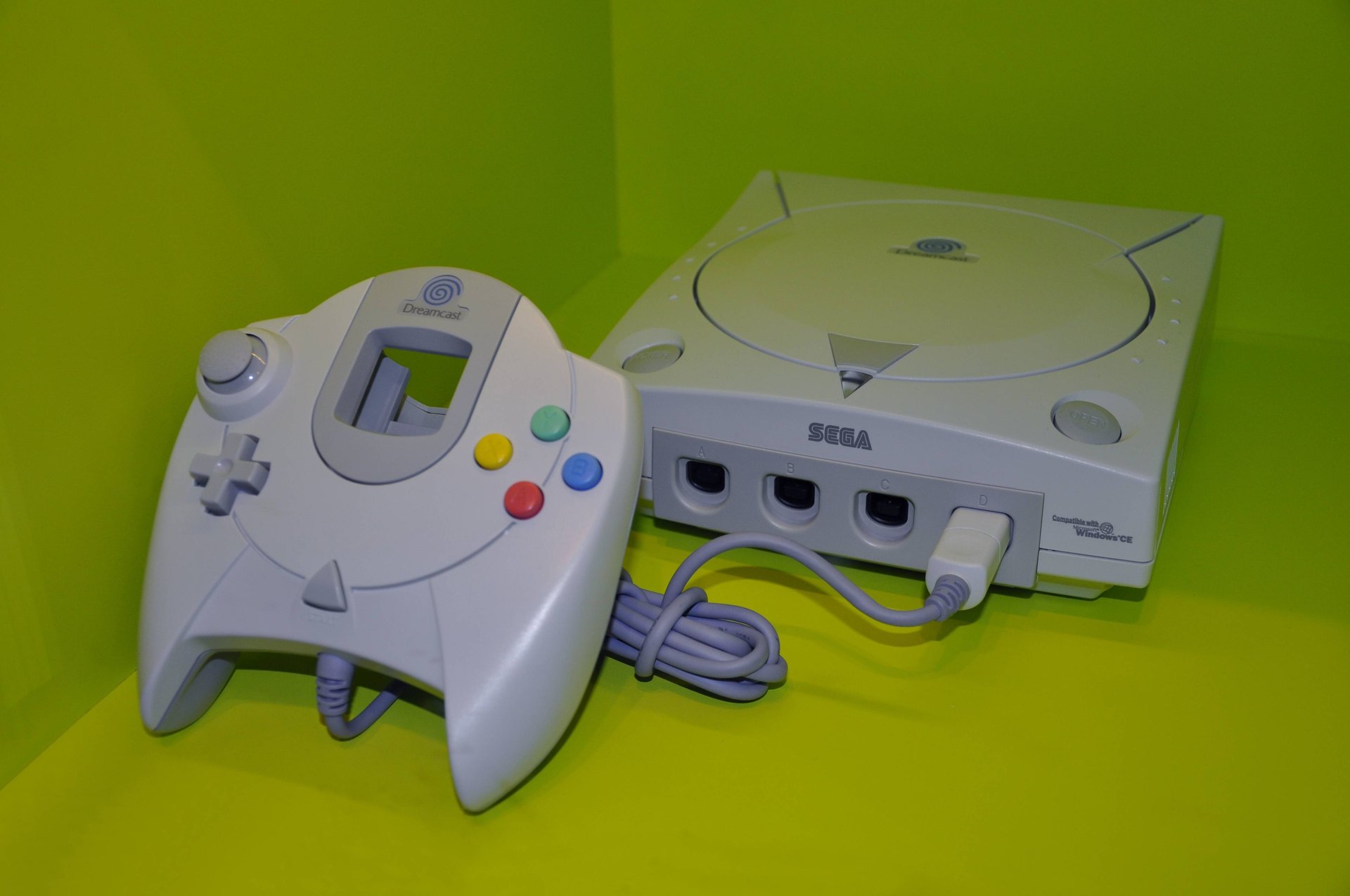
The Dreamcast was released in 1998 and was supposed to save Sega from strong competition from Sony and Nintendo. In the beginning, this plan worked – no wonder, because titles like Sonic Adventure still inspire many players worldwide. However, sales of the Dreamcast soon collapsed and the platform was increasingly displaced by Sony and later Microsoft. Now it is only known to old fans and collectors. The next device is still available today, but is now much smaller…
Super Nintendo – appearance of the shoulder buttons
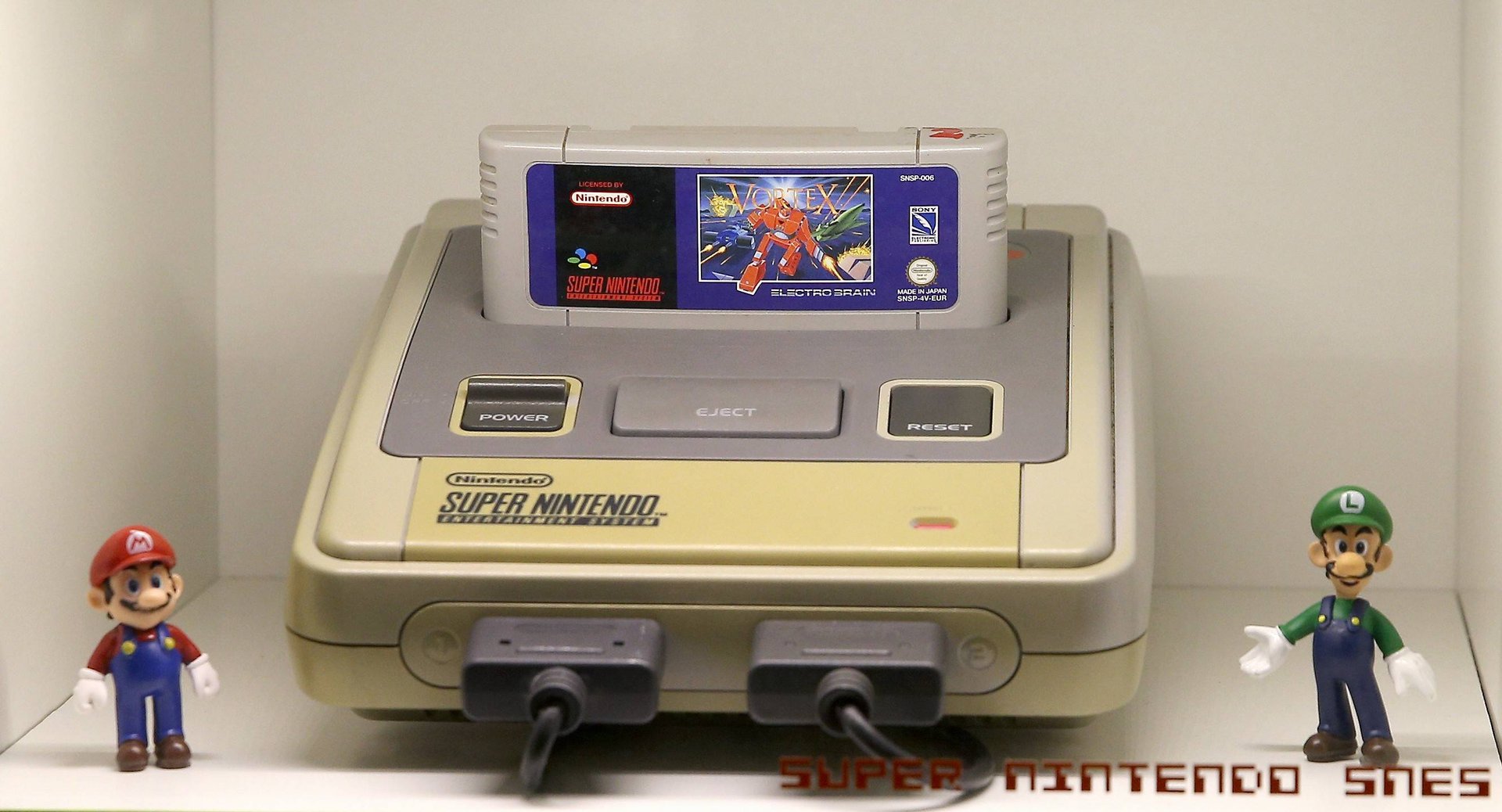
The Super Nintendo Entertainment System came onto the market in Germany in 1992 and was at home in many households at the time. For the first time there was a controller with shoulder buttons. This console brought improved graphics compared to its predecessor, the NES. A mini version was released in 2017 that takes players into the nostalgia of the 90s. It’s worth it, because “The Legend of Zelda: A Link to the Past” and “Yoshi’s Island” come from the SNES era – two of the best games of all time.
Here you can get the mini SNES
Elsewhere we show you everyday objects that only boomers know today.